Wellbeing CentresWellbeing Centres
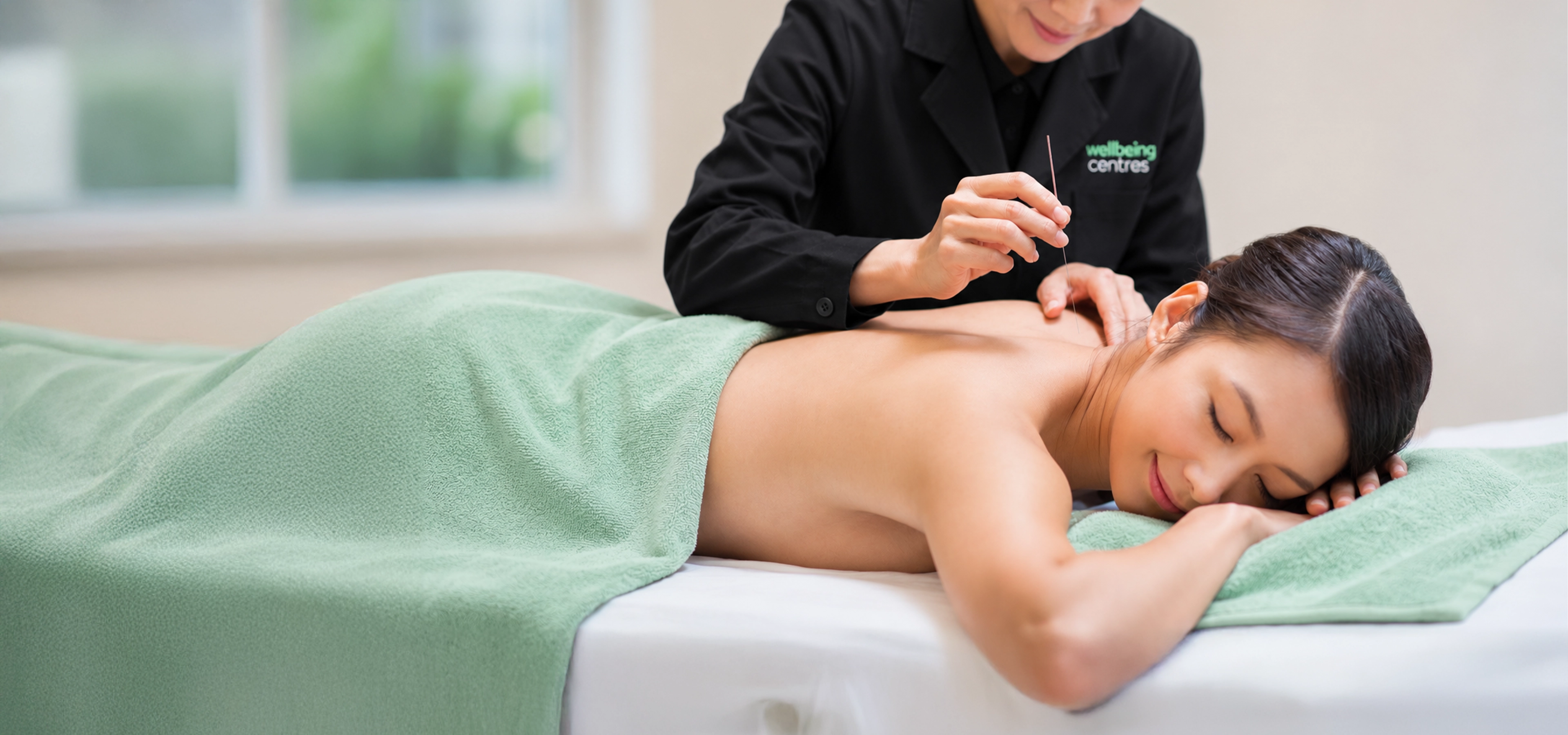
Wellbeing Centres therapist placing acupuncture needles in the back of a patient lying on a treatment table

Acupuncture in London

Targeted treatment to relieve pain, reduce muscle tension and improve mobility.

Wellbeing Centres therapist placing acupuncture needles in the back of a patient lying on a treatment table

Accepted Insurance Providers

Accepted insurance providers: Aviva, Vitality, AXA, Bupa, Physio First, General Medical, Nuffield Health, hpCheck, WPA

Expert Acupuncture
Treatment for Pain Relief

Struggling with persistent neck pain, muscle tension, headaches or other musculoskeletal discomfort? At Wellbeing Centres, our experienced physiotherapists provide acupuncture to help relieve pain, reduce muscle tension and improve your overall wellbeing.

We offer Western medical acupuncture at our clinics in Battersea, Crouch Hill and Kentish Town, combining treatment with personalised physiotherapy and rehabilitation programmes to support your recovery and help you return to the activities you enjoy.

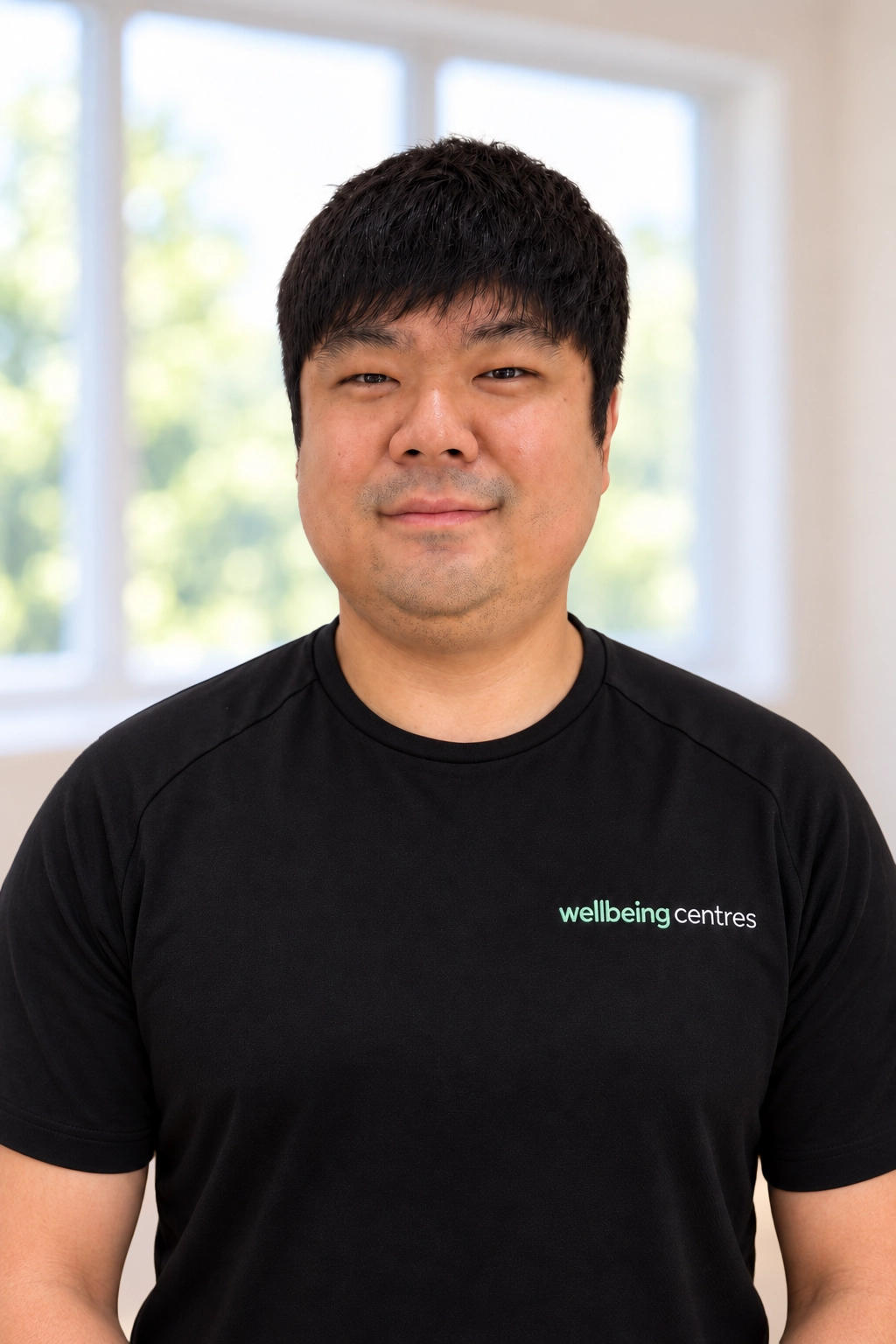
Smiling Wellbeing Centres physiotherapist in a branded polo shirt talking with a patient in a treatment room

Meet Our Acupuncture Physiotherapists

Our experienced physiotherapists provide personalised acupuncture treatment to help manage pain, ease muscle tension and support your recovery.

  • Portrait of Mr Edwin Park

    Mr Edwin Park

    Battersea and Crouch Hill

  • Portrait of Mr Julius Chung

    Mr Julius Chung

    Crouch Hill and Kentish Town

  • Portrait of Ms Shanza Javid

    Ms Shanza Javid

    Crouch Hill

What is Acupuncture?

Acupuncture is a treatment that involves inserting very fine, sterile needles into specific points on the body to help relieve pain and manage a range of symptoms. Originating in traditional Chinese medicine, acupuncture is now also widely used in modern healthcare, including physiotherapy, to help manage certain musculoskeletal conditions.

At Wellbeing Centres, our physiotherapists use Western medical acupuncture, an approach based on modern understanding of anatomy, physiology and pain science. The needles stimulate sensory nerves in the skin and muscles, which may influence how the nervous system processes pain and encourage the release of natural pain-relieving chemicals, such as endorphins.

Acupuncture may help relieve certain types of persistent pain, muscle tension and headaches, although its effectiveness varies depending on the condition and individual response.

Our experienced physiotherapists will assess your symptoms and determine whether acupuncture is suitable for you. Where appropriate, we combine acupuncture with hands-on physiotherapy, targeted exercises and personalised rehabilitation programmes to help manage pain, improve mobility and support longer-term recovery.


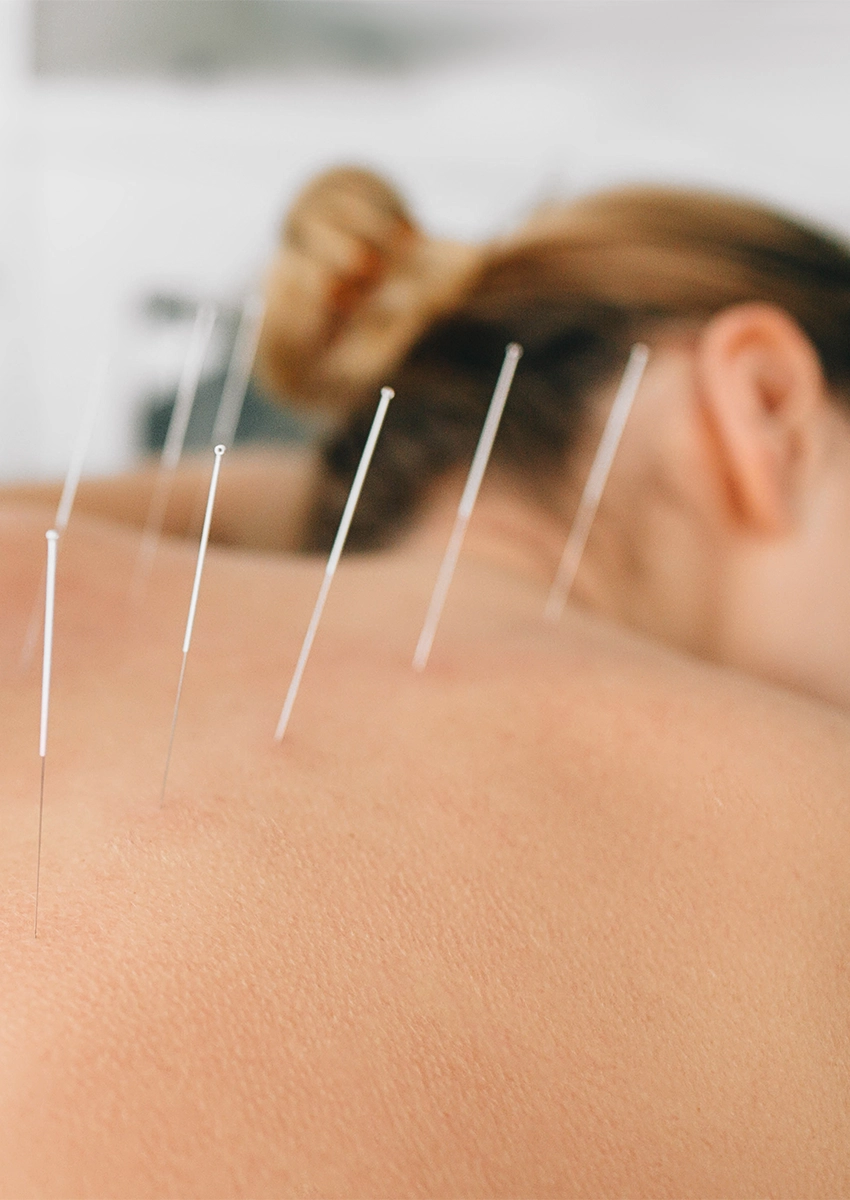
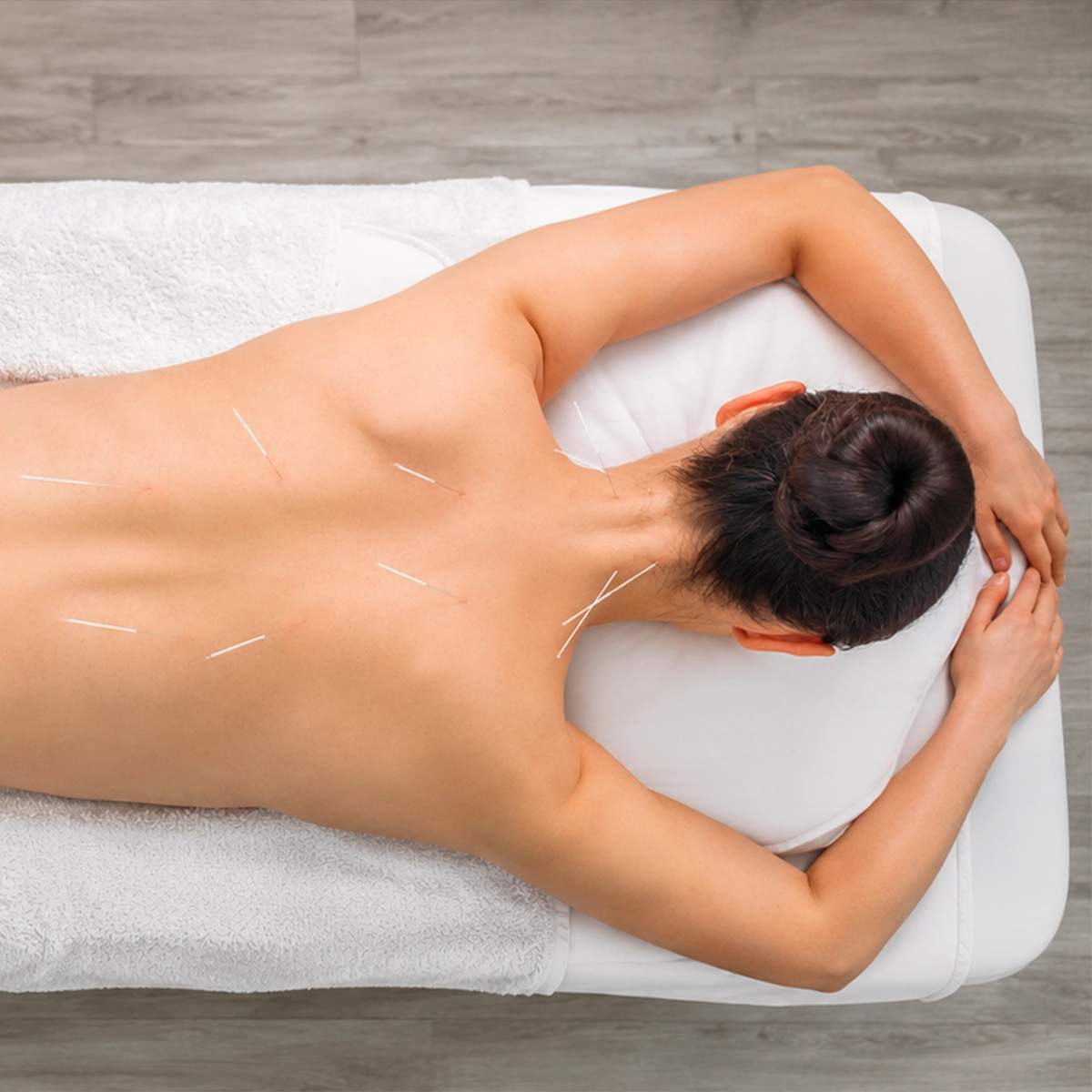
Fine acupuncture needles inserted along the upper back of a patient with her hair tied up

Why Choose Wellbeing Centres for Acupuncture?

  • HCPC-Registered Physiotherapists

    Our qualified physiotherapists have experience providing acupuncture to help manage persistent pain, muscle tension and musculoskeletal conditions.

  • Personalised Treatment Plans

    We tailor your acupuncture treatment to your symptoms, medical history and recovery goals, ensuring you receive care suited to your individual needs.

  • Integrated Physiotherapy & Rehabilitation

    Where appropriate, we combine acupuncture with hands-on physiotherapy, targeted exercises and rehabilitation advice to support longer-term recovery.

  • Clear & Transparent Pricing

    We provide clear information about treatment costs and available options, helping you make an informed decision about your care.

  • Trusted Physiotherapy Since 2008

    We've been helping patients across London manage pain, recover from injuries and improve their physical wellbeing since 2008.

  • Three Convenient London Clinics

    Access acupuncture at our Battersea, Crouch Hill and Kentish Town clinics, with convenient appointment options to fit around your schedule.

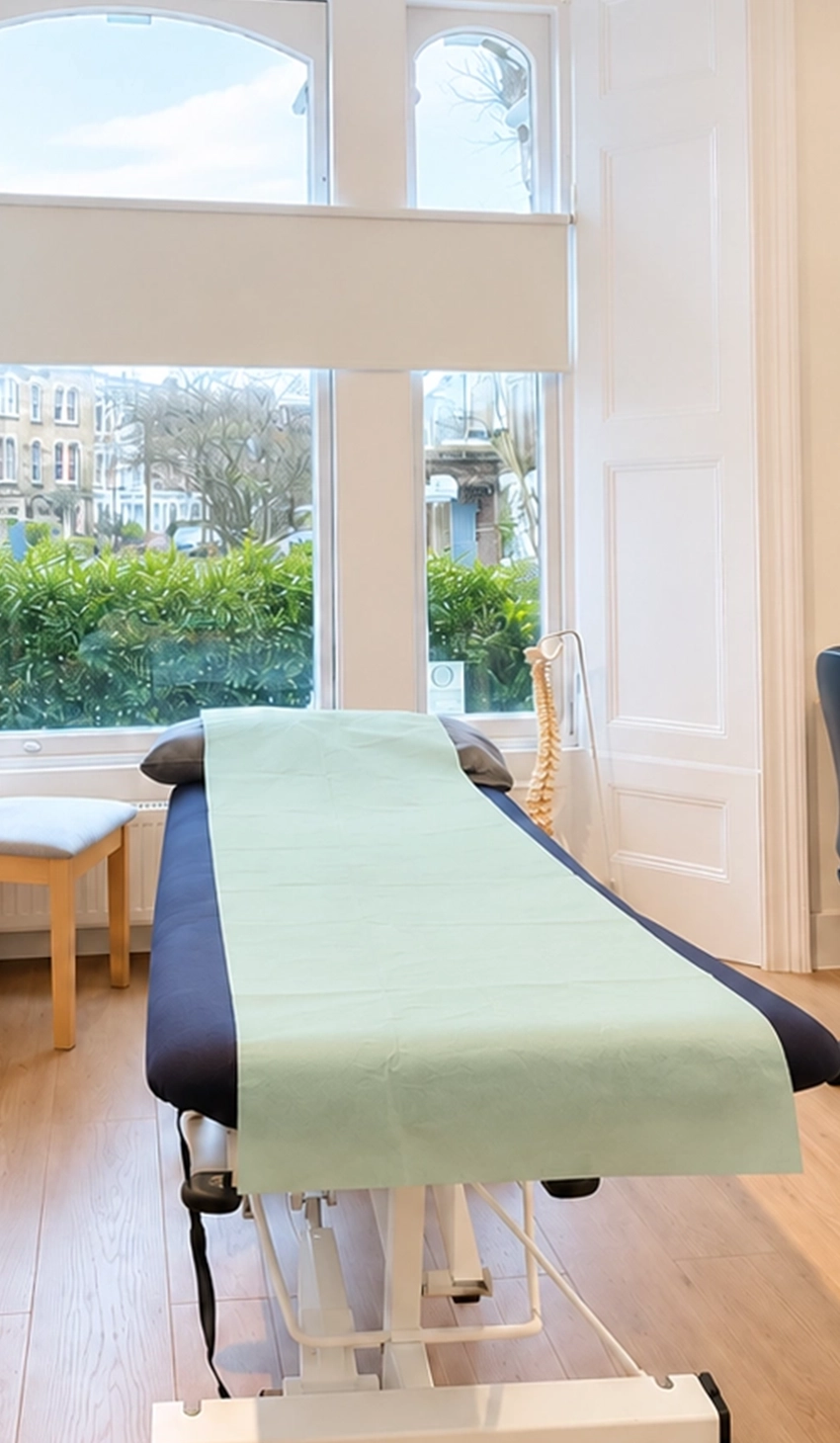
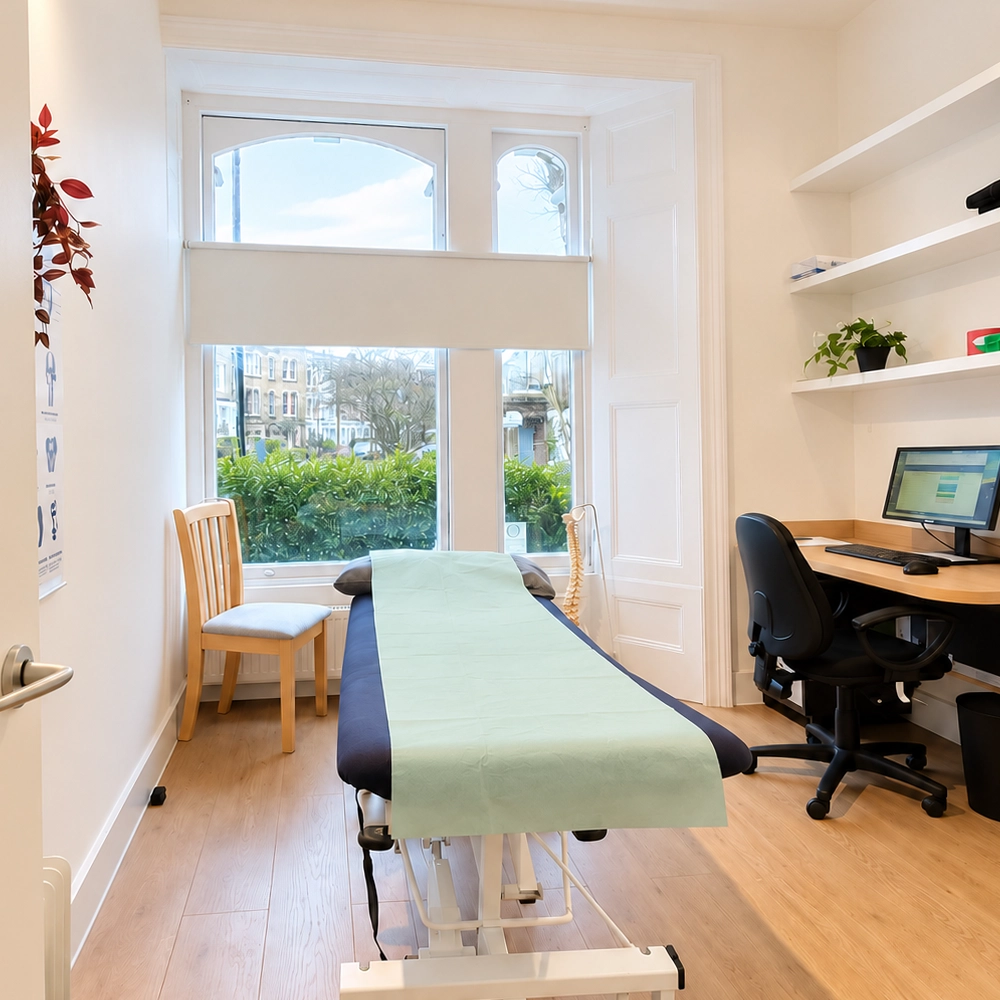
Treatment room at the Wellbeing Centres Kentish Town clinic, with a treatment couch beside a large bay window

What Conditions Can
Acupuncture Help
Treat?

Acupuncture may help relieve certain types of persistent pain, muscle tension and musculoskeletal discomfort. At Wellbeing Centres, our experienced physiotherapists assess your symptoms and recommend treatment based on your individual needs and the available clinical evidence.

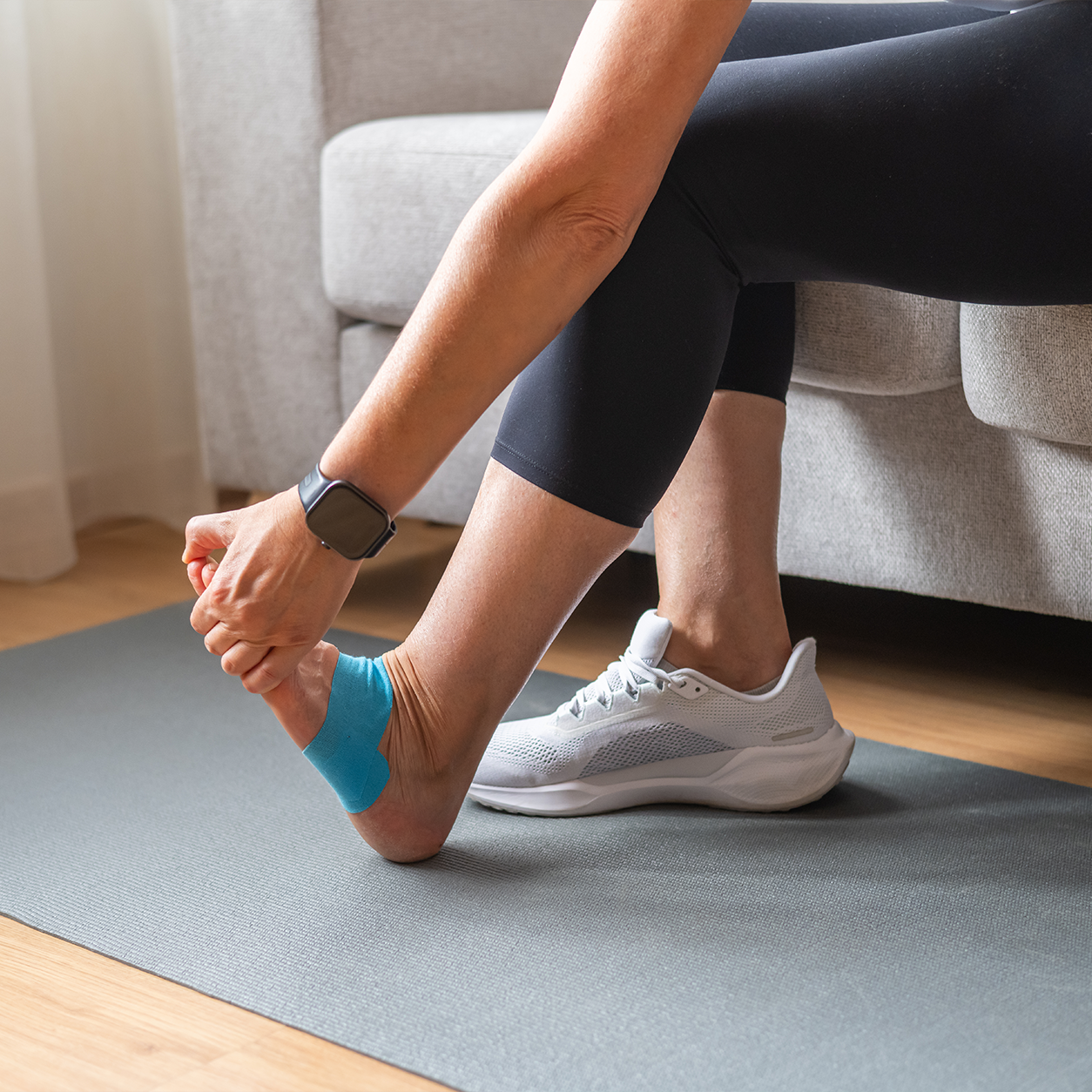
Person in sportswear stretching their foot, with kinesiology tape on the heel, sitting on a sofa
  1. Neck Pain & Muscle Tension

    Persistent neck pain and tightness around the shoulders can make everyday activities uncomfortable, particularly if you spend long periods sitting or working at a desk. Acupuncture may help reduce chronic neck pain and associated muscle tension in some patients, particularly when combined with physiotherapy and targeted exercises.

  2. Back Pain

    Back pain can affect your ability to work, exercise and carry out everyday activities. Although some patients report temporary relief following acupuncture, evidence of its effectiveness for lower back pain is mixed, and NICE does not recommend acupuncture for low back pain or sciatica. Our physiotherapists can assess your symptoms and recommend appropriate treatment options.

  3. Shoulder Pain

    Shoulder pain can make lifting, reaching and sleeping uncomfortable. Acupuncture may help provide short-term pain relief for some shoulder conditions, although results vary. Where appropriate, we combine treatment with strengthening exercises and physiotherapy to support mobility and recovery.
  4. Sports Injuries & Muscle Pain

    Sports injuries and muscle-related problems can cause persistent discomfort, stiffness and restricted movement. Acupuncture may be considered as an additional pain-management treatment for selected patients, alongside personalised physiotherapy and rehabilitation programmes.

  5. Chronic Pain & Fibromyalgia

    Persistent pain conditions, including fibromyalgia, can affect sleep, mobility and quality of life. Acupuncture may help some patients manage chronic primary pain and improve their ability to participate in everyday activities. Our physiotherapists can advise whether it may be suitable as part of your wider treatment plan.

  6. Tension Headaches & Migraines

    Acupuncture may help reduce the frequency of chronic tension-type headaches and can be considered for migraine prevention in certain circumstances. NICE recognises acupuncture as a treatment option for these conditions, depending on your symptoms, previous treatments and medical history.

Wellbeing Centres physiotherapist inserting an acupuncture needle into the shoulder of a relaxed patient lying face down

Book a Consultation

Take the next step towards managing pain, relieving muscle tension and improving your mobility with personalised acupuncture treatment from our experienced physiotherapists. With convenient clinics in Battersea, Crouch Hill and Kentish Town, accessing expert care is simple. Book your appointment today and let us help you work towards your recovery goals.

How DoesAcupuncture Work?

Acupuncture involves inserting very fine, sterile needles into specific points on the body to stimulate sensory nerves in the skin and muscles. This stimulation may influence how the nervous system processes pain and encourage the release of natural pain-relieving chemicals, such as endorphins.

Although the precise mechanisms are not fully understood, research suggests that acupuncture may help regulate pain signals and provide symptom relief for certain conditions.

Potential Benefits of Acupuncture

  • Pain Relief

    May help reduce certain types of persistent pain and musculoskeletal discomfort.

  • Reduced Muscle Tension

    May help ease muscle-related pain and tightness in selected patients.

  • Improved Mobility

    Pain reduction may make everyday movements and physical activities more comfortable.

  • Headache Management

    May help reduce the frequency of chronic tension headaches and certain migraines.

  • Complements Physiotherapy

    Can be combined with hands-on treatment, strengthening exercises and rehabilitation to support recovery.

  • Acupuncture is not suitable for every condition, and results vary between individuals. At Wellbeing Centres, our physiotherapists will assess your symptoms, explain the potential benefits and recommend a personalised treatment plan.

What Happens
During an Acupuncture
Appointment?

At Wellbeing Centres, we aim to make your acupuncture experience comfortable and straightforward. Our physiotherapists will explain each stage of treatment and tailor your session to your individual needs.

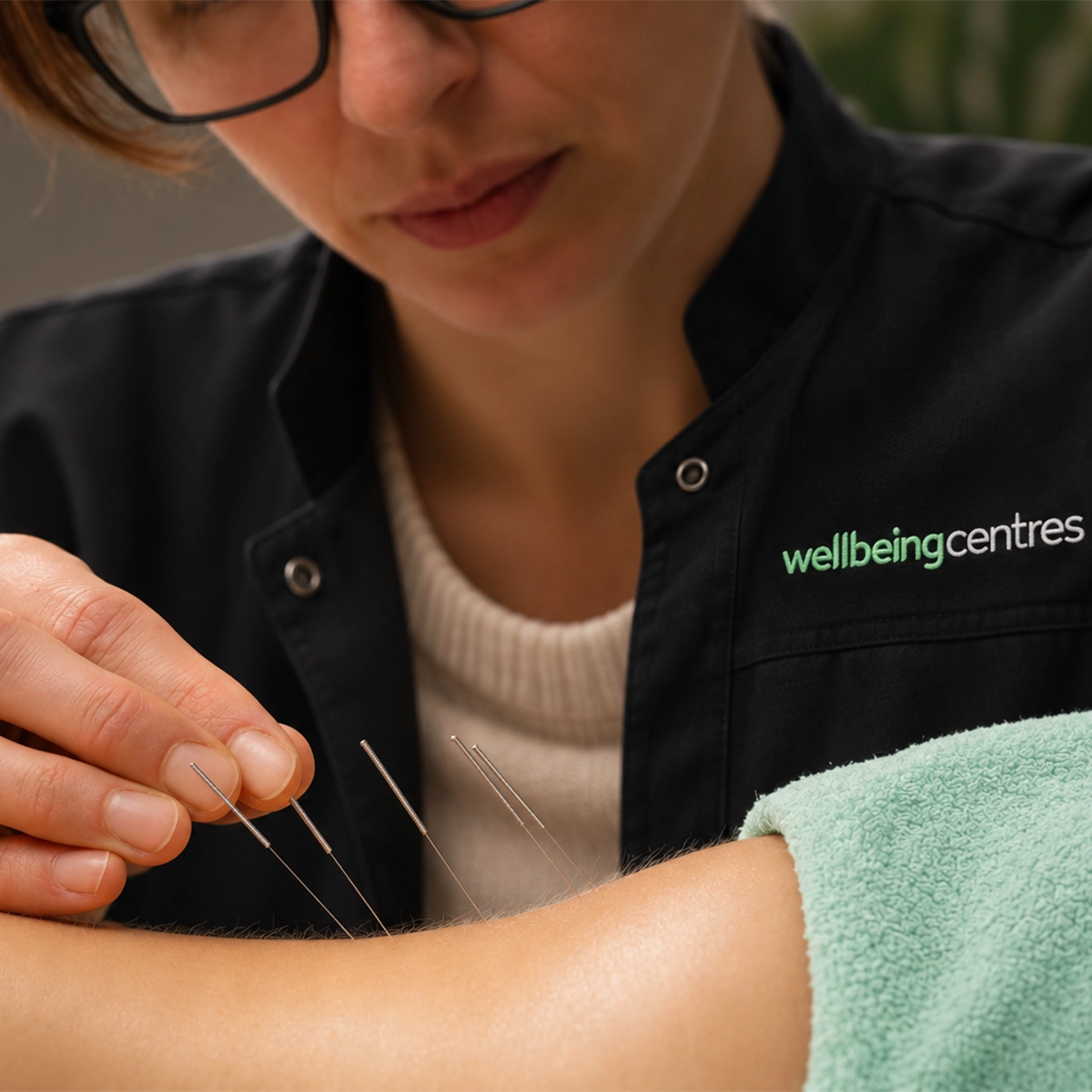
Wellbeing Centres physiotherapist placing fine acupuncture needles in a patient's forearm
  1. Initial Assessment

    Your physiotherapist will discuss your symptoms, medical history, previous treatments and recovery goals. They'll assess the affected area and determine whether acupuncture is appropriate for your condition.

  2. Preparing for Treatment

    You'll be positioned comfortably, either sitting or lying down, depending on the areas being treated. Your physiotherapist will identify the appropriate acupuncture points and explain where the needles will be placed.

  3. Acupuncture Treatment

    Very fine, sterile, single-use needles are gently inserted into selected points on your body. You may feel a slight prick, tingling sensation or dull ache. The needles are typically left in place for around 10–30 minutes, although this varies depending on your treatment plan.

  4. Aftercare & Rehabilitation Advice

    Following treatment, your physiotherapist will remove the needles and provide personalised aftercare advice. Where appropriate, they'll recommend exercises, activity modifications or additional physiotherapy to support your recovery.

Is Acupuncture Safe?

Acupuncture is generally safe when performed by appropriately trained healthcare professionals using sterile, single-use needles. At Wellbeing Centres, our physiotherapists will assess your medical history and suitability for treatment before proceeding.

Most side effects are mild and temporary, including slight bleeding, bruising, tenderness or feeling light-headed after treatment. Serious complications, such as infection, nerve injury or a collapsed lung (pneumothorax), are rare but possible.

Acupuncture may require additional precautions or may not be suitable for people with certain conditions, including:

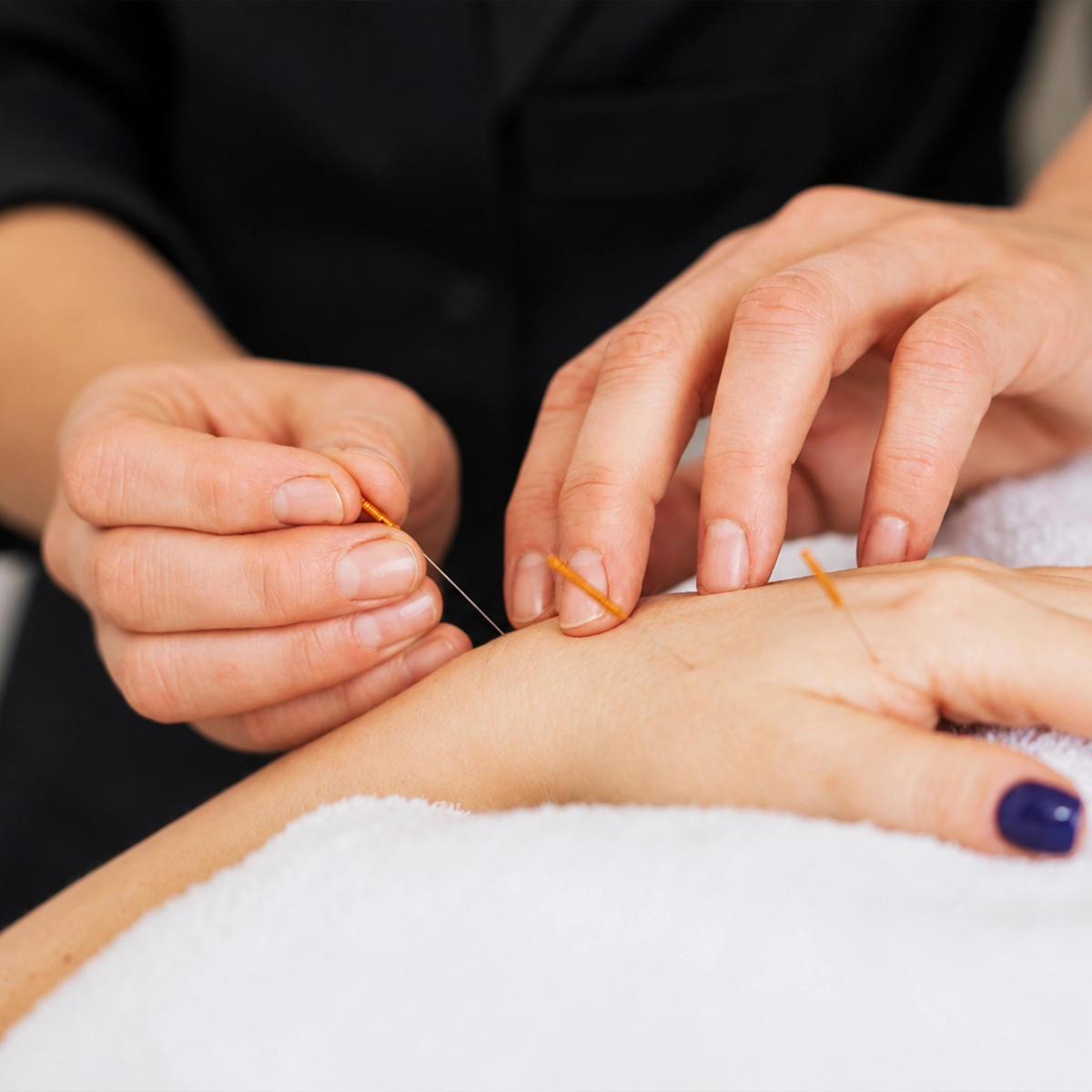
Physiotherapist placing fine acupuncture needles in the back of a patient's hand resting on a white towel
  • Bleeding disorders or blood-thinning medication, which may increase the risk of bruising or bleeding.
  • Skin infections or open wounds in the area being treated.
  • Pregnancy, as certain acupuncture points and treatment approaches may require additional precautions.
  • A history of fainting or severe needle anxiety, which may affect your comfort and safety during treatment.
  • Certain medical conditions, including those affecting sensation, circulation or healing.

Our physiotherapists will explain the potential benefits and risks, answer your questions and ensure you can make an informed decision before starting treatment.

Patient lying face down on a treatment couch with fine acupuncture needles in her upper back and shoulders

Our London Clinics

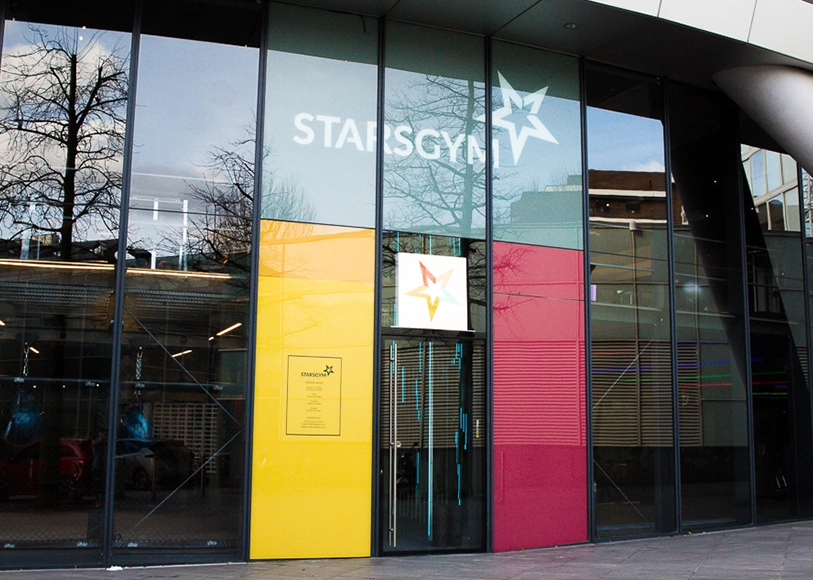
Entrance to Stars Gym in Battersea, home of our Battersea physiotherapy clinic

Battersea

Stars Gym, 5 Albion Riverside Building, 8 Hester Road, London SW11 4AX

Located within Stars Gym in Battersea, our clinic combines expert physiotherapy with access to gym facilities to support recovery, improve mobility and help you return to the activities you love.

50%OffInitial Assessment for Stars Gym Members

Treatments

  • Physiotherapy & rehabilitation
  • Sports injury treatment
  • Massage therapy
  • Post-operative recovery

Clinic Facilities

Located within a fully equipped gym, supporting exercise-based rehabilitation and personalised recovery programmes.

FrequentlyAsked Questions

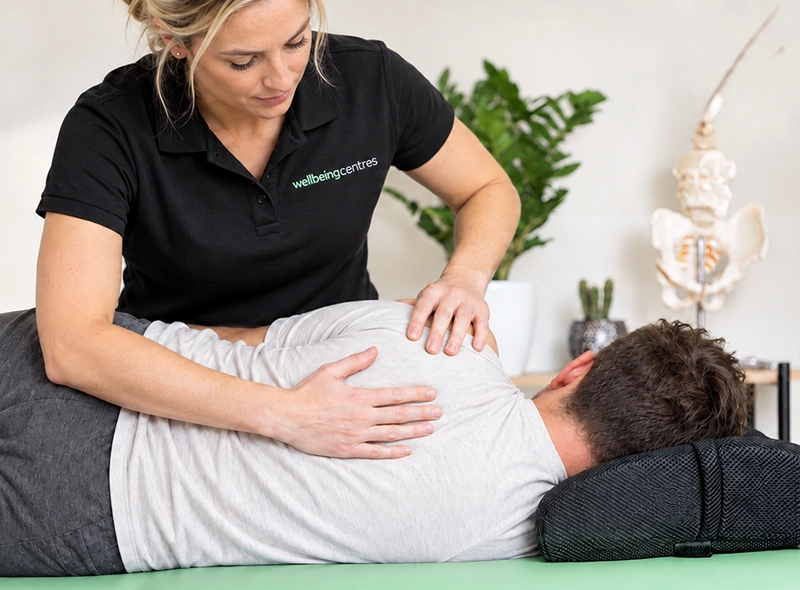
Wellbeing Centres physiotherapist treating a patient's shoulder and upper back on a treatment table
  • Acupuncture may help relieve certain types of persistent pain, muscle tension and musculoskeletal discomfort. It is also recognised as a treatment option for some chronic pain conditions and headaches. Results vary depending on your condition and individual response. At Wellbeing Centres, our experienced physiotherapists will assess whether acupuncture is suitable for you.

  • Most patients experience little discomfort, as acupuncture needles are much finer than those used for injections. You may feel a brief prick, tingling sensation or dull ache during treatment. Our physiotherapists will explain what to expect and ensure you're as comfortable as possible throughout your appointment.

  • Acupuncture needles are typically left in place for around 10–30 minutes, depending on your condition and treatment plan. Your appointment may also include an assessment and rehabilitation advice. Our team can confirm the expected appointment duration when booking.

  • The number of sessions depends on your condition, how long you've experienced symptoms and your response to treatment. Some patients benefit from a short course, while others may require additional sessions. Your physiotherapist will recommend a personalised treatment plan and monitor your progress.

  • Some patients notice improvements shortly after their first treatment, while others experience gradual relief over several sessions. The response varies depending on the condition and individual circumstances. Your physiotherapist will review your progress and advise whether further treatment may be beneficial.

  • Acupuncture may help relieve persistent neck pain in some patients. Although it is sometimes used for back pain, NICE does not recommend acupuncture for low back pain or sciatica. Our physiotherapists can assess your symptoms and recommend the most appropriate treatment options for your condition.

  • Acupuncture may help reduce the frequency of chronic tension-type headaches and certain migraines. NICE recognises acupuncture as an option for these conditions in specific circumstances. Our physiotherapists can assess your symptoms and advise whether treatment may be suitable.

  • Acupuncture is generally safe when performed by appropriately trained professionals. Minor side effects can include temporary bruising, tenderness, slight bleeding or light-headedness. Serious complications are rare. Our physiotherapists will review your medical history and explain any relevant risks before treatment.

  • Most patients can return to normal daily activities following acupuncture. However, if you experience temporary soreness, tiredness or light-headedness, we recommend avoiding strenuous exercise until these symptoms settle. Your physiotherapist will provide personalised aftercare advice.

  • No, you can book an appointment directly with Wellbeing Centres without a GP referral. Our physiotherapists will assess your symptoms and determine whether acupuncture is suitable. If further investigations or medical advice are required, we'll guide you through the next steps.

  • Acupuncture treatment costs depend on the appointment type and treatment required. Our team can confirm the applicable pricing and any available treatment packages before you book, ensuring you know what to expect.

  • We offer acupuncture at our Battersea, Crouch Hill and Kentish Town clinics. Our experienced physiotherapists provide personalised treatment to help manage pain and support recovery. You can book online or call 0208 340 6832 to arrange an appointment.

Message Us