Wellbeing CentresWellbeing Centres
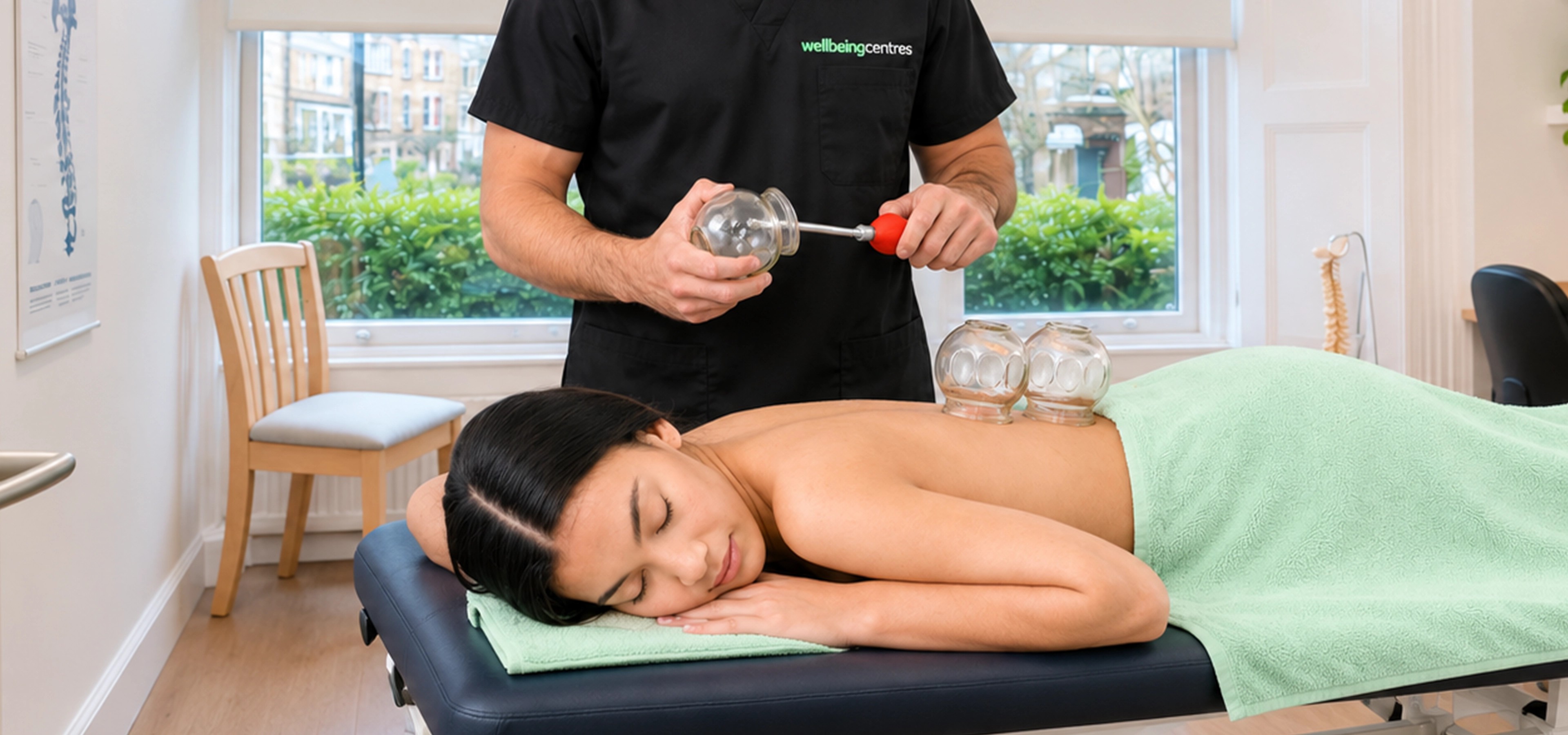
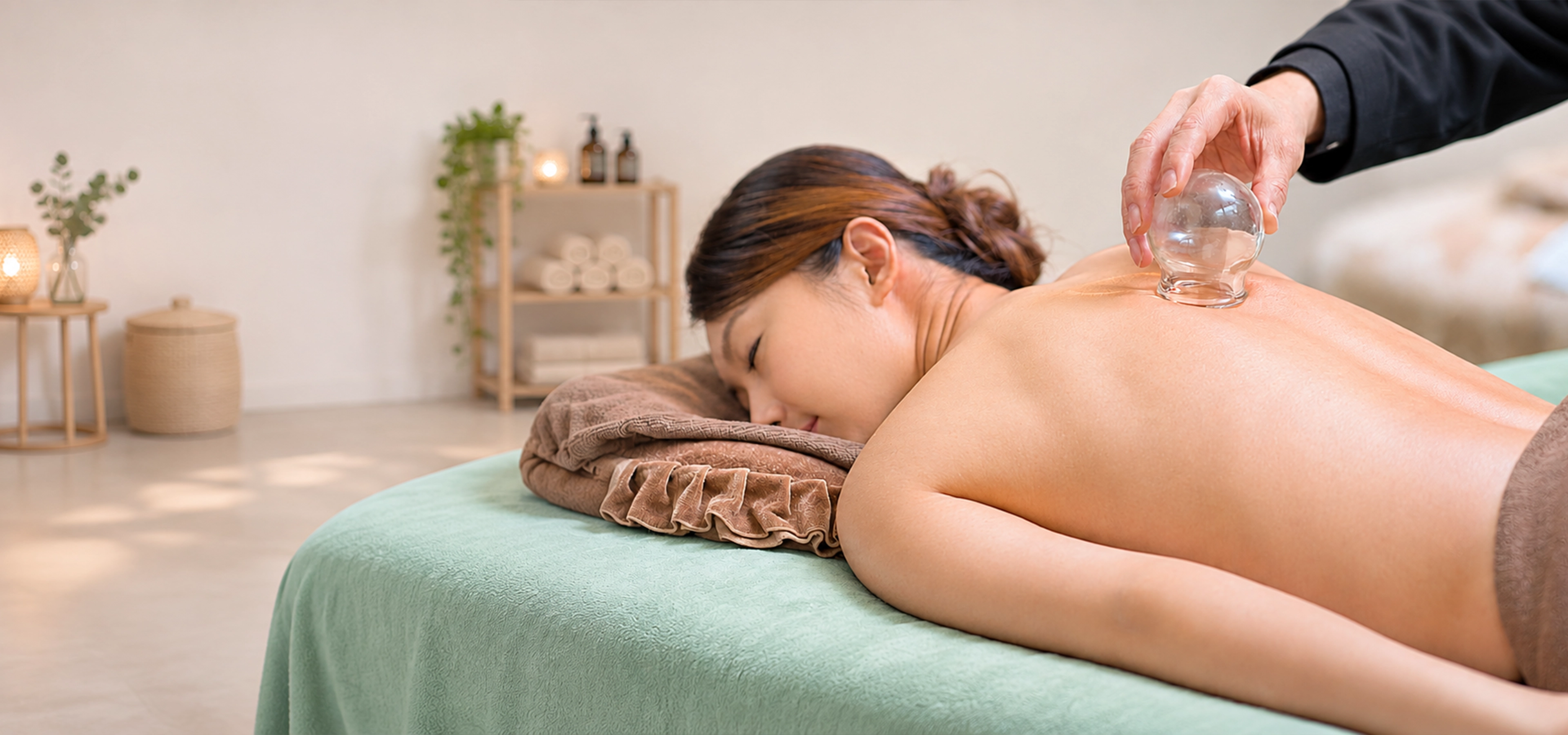
Wellbeing Centres therapist applying glass cups to the back of a patient lying on a treatment couch

Cupping Therapy in London

Expert cupping therapy to relieve muscle tension, ease discomfort and support recovery.

Wellbeing Centres therapist applying glass cups to the back of a patient lying on a treatment couch

Expert Cupping Therapy for
Muscle Pain & Tension

Struggling with muscle tightness, persistent aches or stiffness that affects your everyday activities? At Wellbeing Centres, our experienced physiotherapists provide cupping therapy to help relieve muscular discomfort, ease tension and improve mobility.

We offer cupping therapy at our Crouch Hill and Kentish Town clinics, with treatment tailored to your individual needs. Whether you’re experiencing muscle tension from exercise, prolonged desk work or everyday activities, our physiotherapists can assess your symptoms and determine whether cupping is suitable for you.

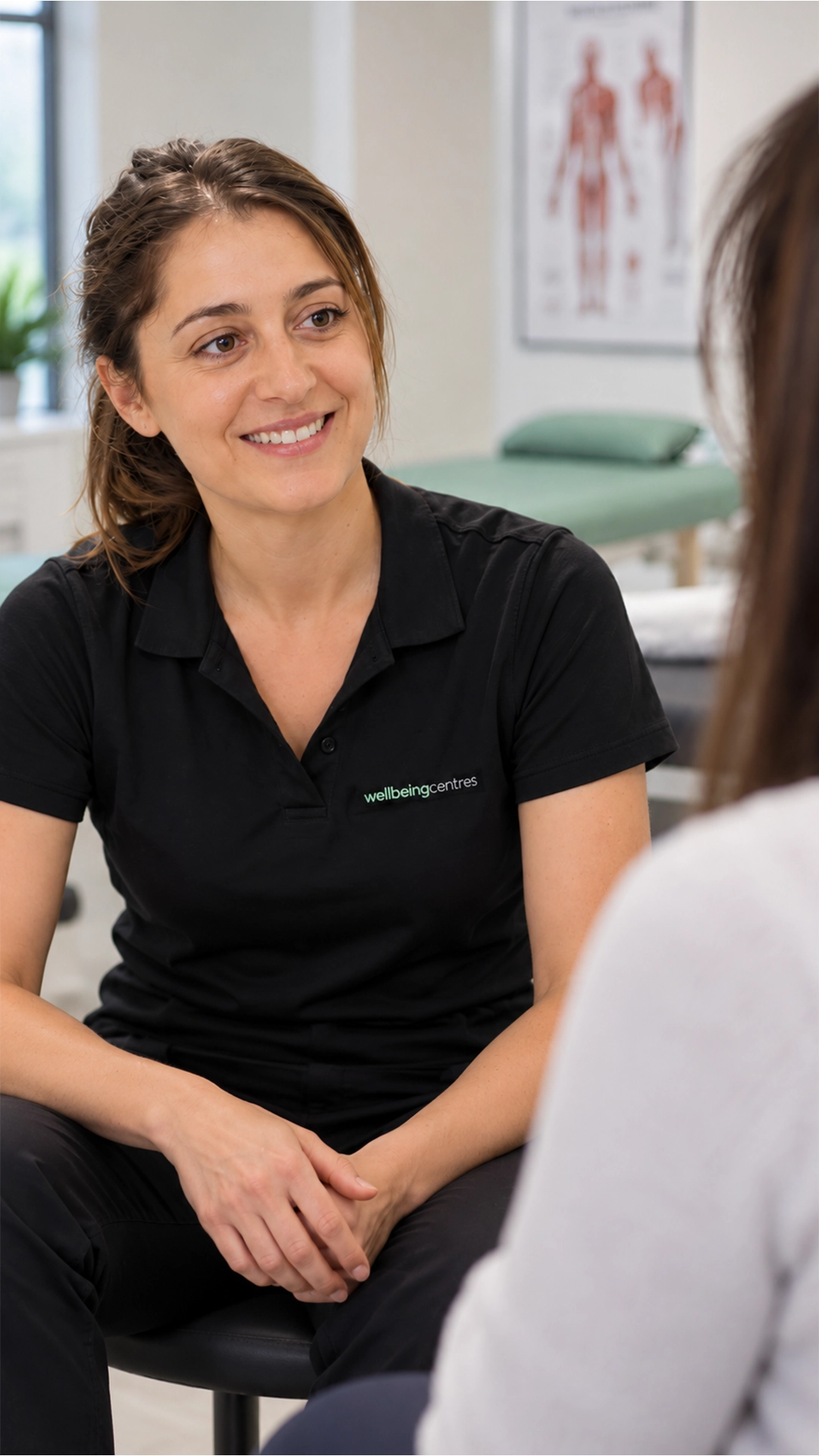
Smiling Wellbeing Centres therapist in a branded polo shirt talking with a patient in a treatment room

What is Cupping Therapy?

Cupping therapy is a traditional treatment technique that uses specially designed cups to create suction against the skin. Unlike massage, which applies pressure to muscles and soft tissues, cupping creates a gentle pulling sensation that lifts the skin and underlying superficial tissues.

Cupping has been practised for centuries and is sometimes used alongside modern physiotherapy to help manage muscle tension, stiffness and discomfort. During treatment, cups are placed over specific areas of the body, where suction is applied for a short period or the cups are gently moved across the skin.

The suction temporarily affects local circulation and stimulates sensory nerves, which may contribute to short-term relief from muscular discomfort. However, scientific evidence for its effectiveness remains limited, and results vary between individuals.

At Wellbeing Centres, our experienced physiotherapists provide cupping therapy at our Crouch Hill and Kentish Town clinics, tailoring treatment to your symptoms, comfort levels and recovery goals.


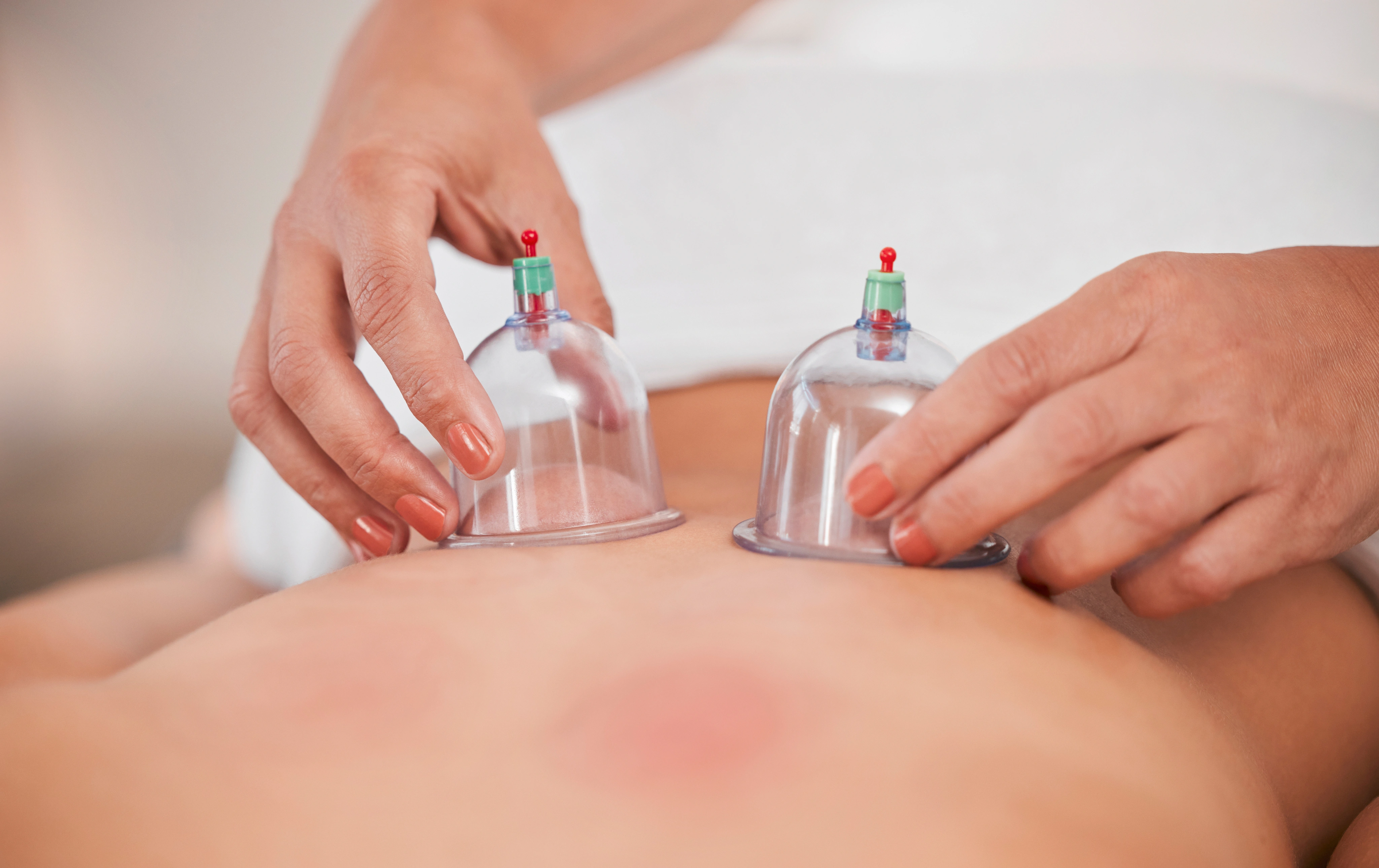
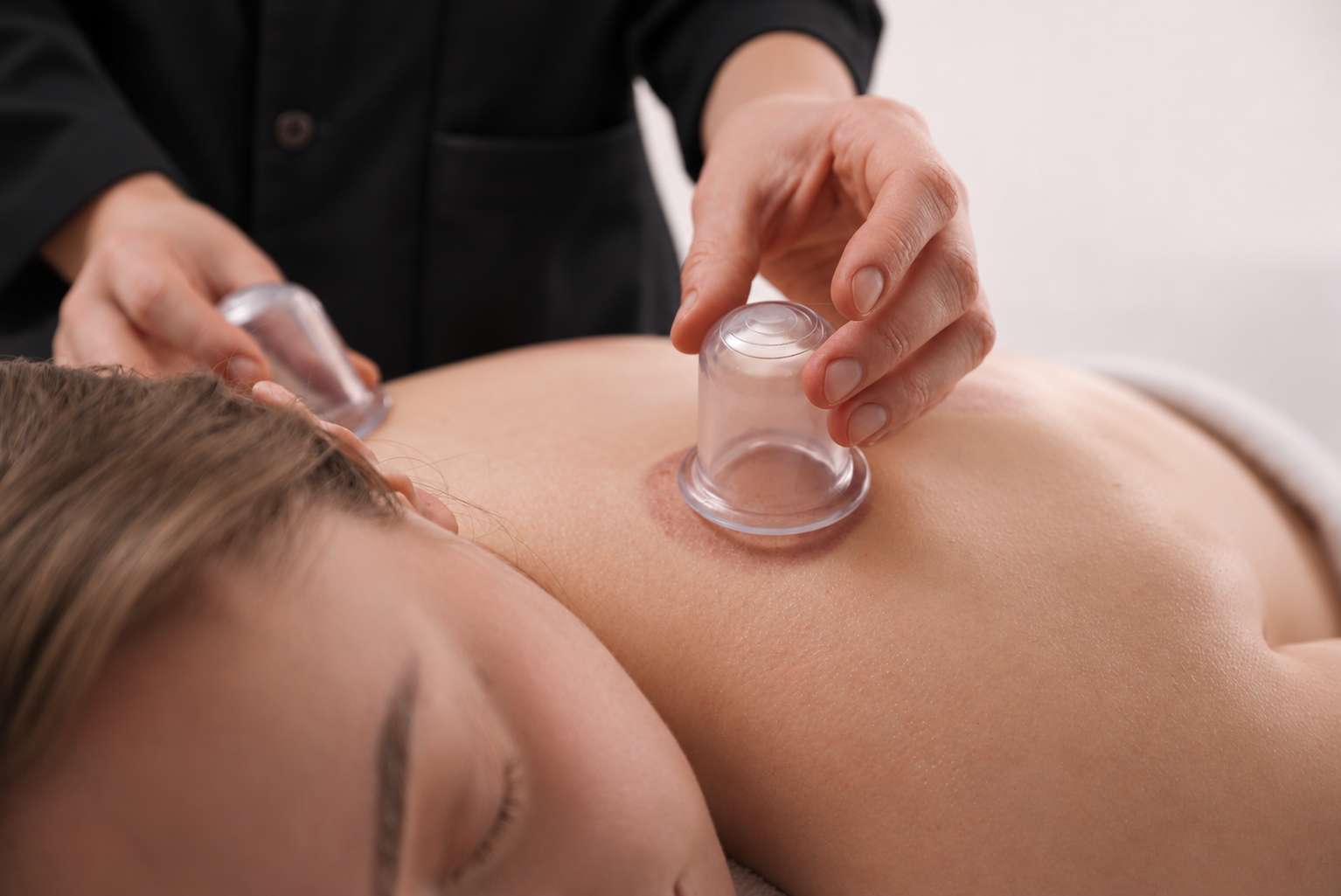
Therapist placing suction cups on a patient’s back during a cupping therapy session

MeetOur Team

Our experienced physiotherapists provide cupping therapy tailored to your individual needs, helping to relieve muscle tension, ease discomfort and improve mobility.

  • Portrait of Mr Edwin Park

    Mr Edwin Park

    MSK Physiotherapist, Shockwave Therapy, Acupuncture

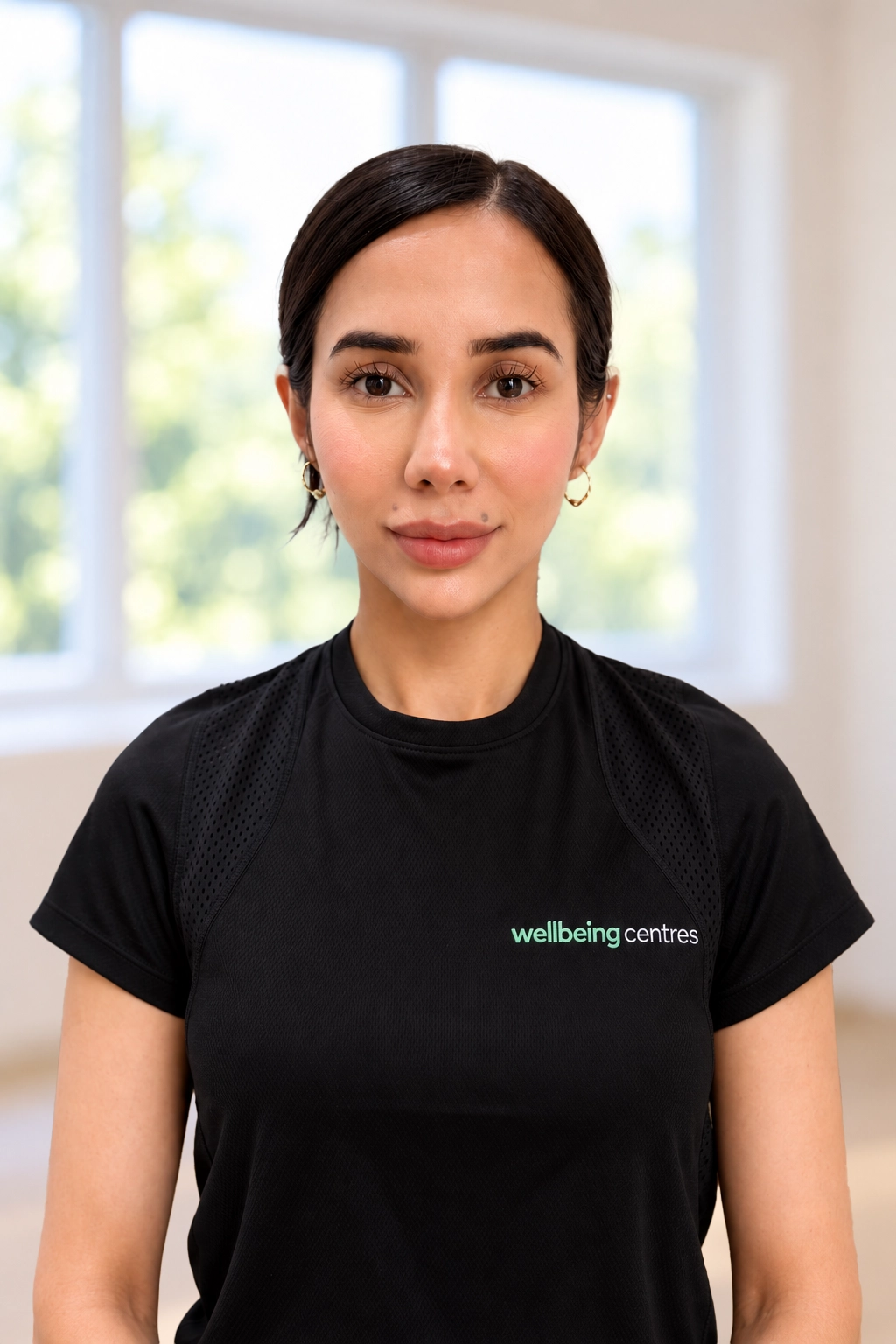
  • Portrait of Ms Nicoleta Raus

    Ms Nicoleta Raus

    MSK Physiotherapist

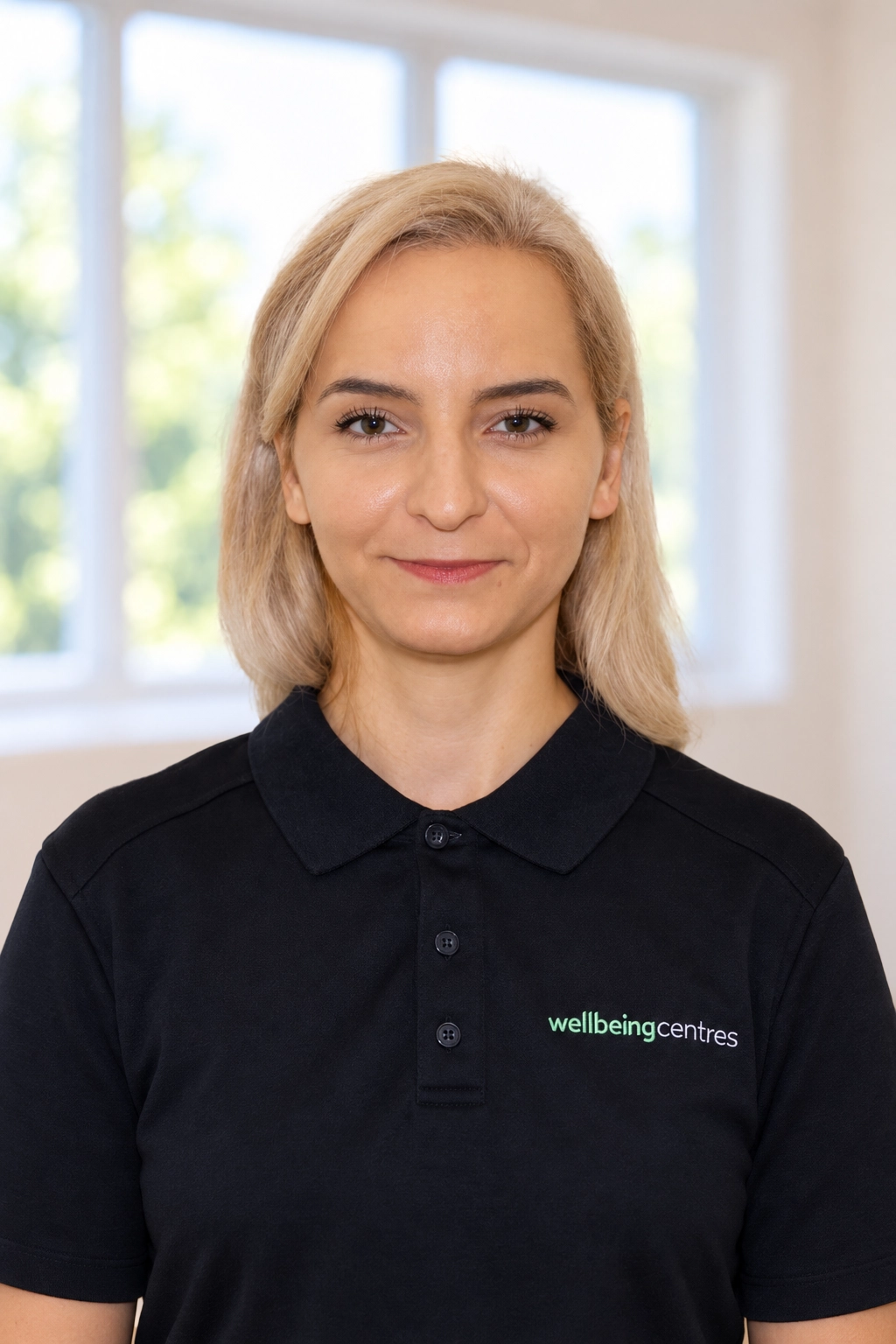
  • Portrait of Ms Harneet Gulati

    Ms Harneet Gulati

    MSK Physiotherapist, Shockwave Therapy

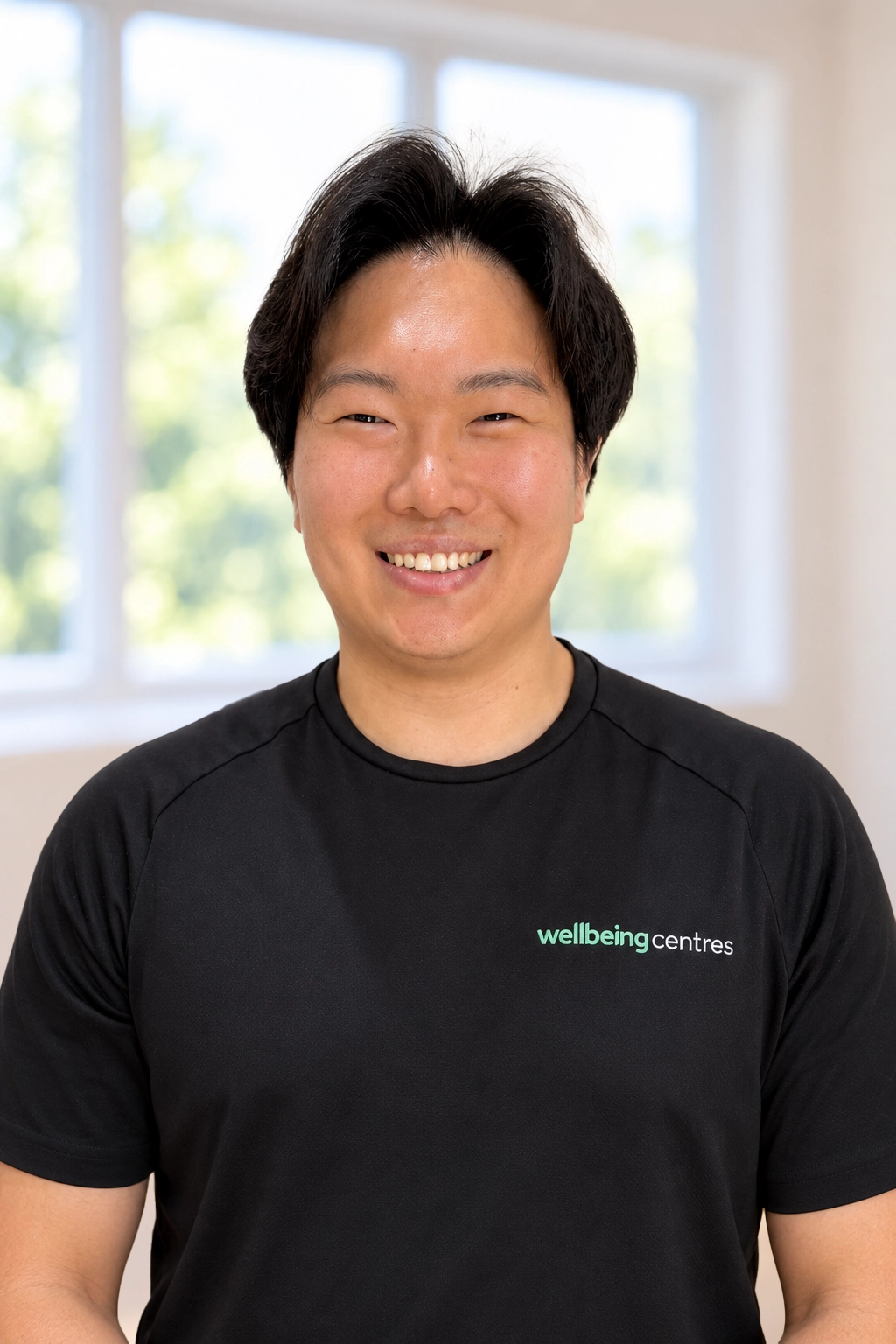
  • Portrait of Mr Julius Chung

    Mr Julius Chung

    MSK Physiotherapist, Acupuncture, Cupping

  • Portrait of Ms Shanza Javid

    Ms Shanza Javid

    MSK Physiotherapist, Shockwave Therapy, Acupuncture

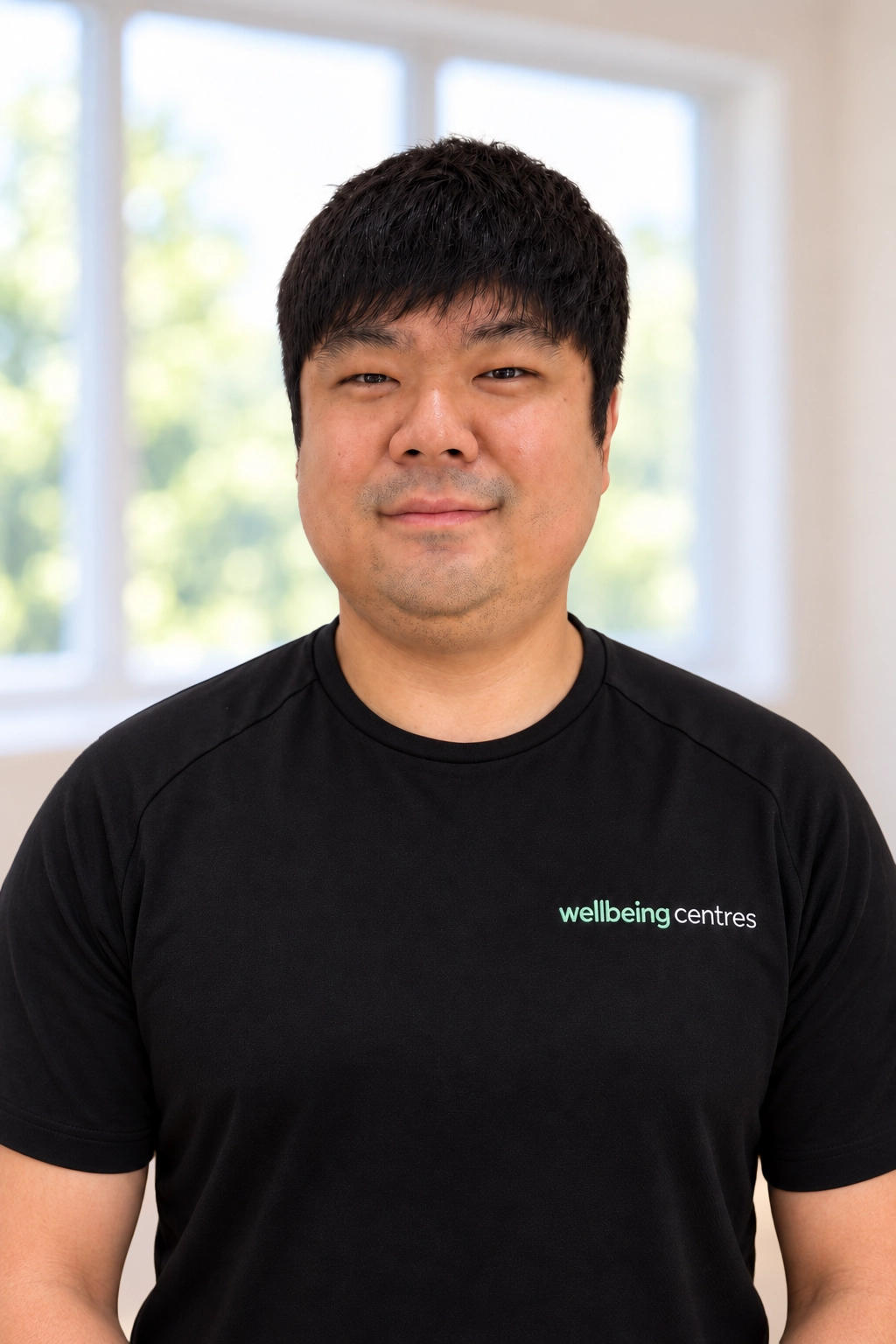
  • Portrait of Mr Seong Wook

    Mr Seong Wook

    Sports and Deep Tissue Massage

Why Choose Wellbeing Centres for Cupping Therapy?

  • Experienced Physiotherapists

    Receive cupping therapy from experienced physiotherapists who understand musculoskeletal conditions and tailor treatment to your individual needs.

  • Personalised Treatment Plans

    Every session is tailored to your symptoms, areas of discomfort and recovery goals, ensuring an approach suited to your needs.

  • Integrated Physiotherapy & Rehabilitation

    Cupping therapy can complement physiotherapy, with targeted exercises, hands-on treatment and rehabilitation advice to support your recovery.

  • Clear & Transparent Pricing

    Our team will explain the available appointment options and treatment costs before you book, so you know what to expect.

  • Trusted Care Since 2008

    Wellbeing Centres has been providing physiotherapy and rehabilitation services across London since 2008, helping patients manage pain and improve mobility.

  • Two Convenient North London Clinics

    Access cupping therapy at our Crouch Hill and Kentish Town clinics, with convenient appointment options to suit your schedule.

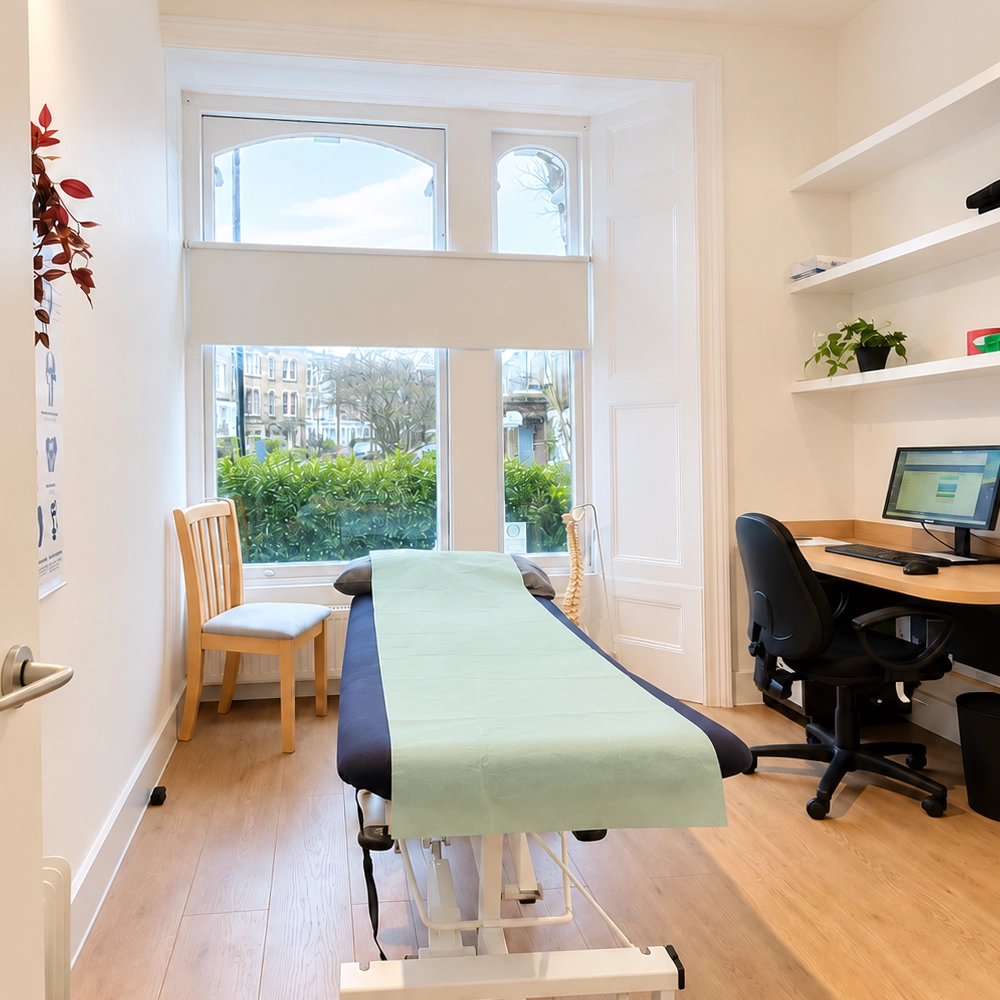
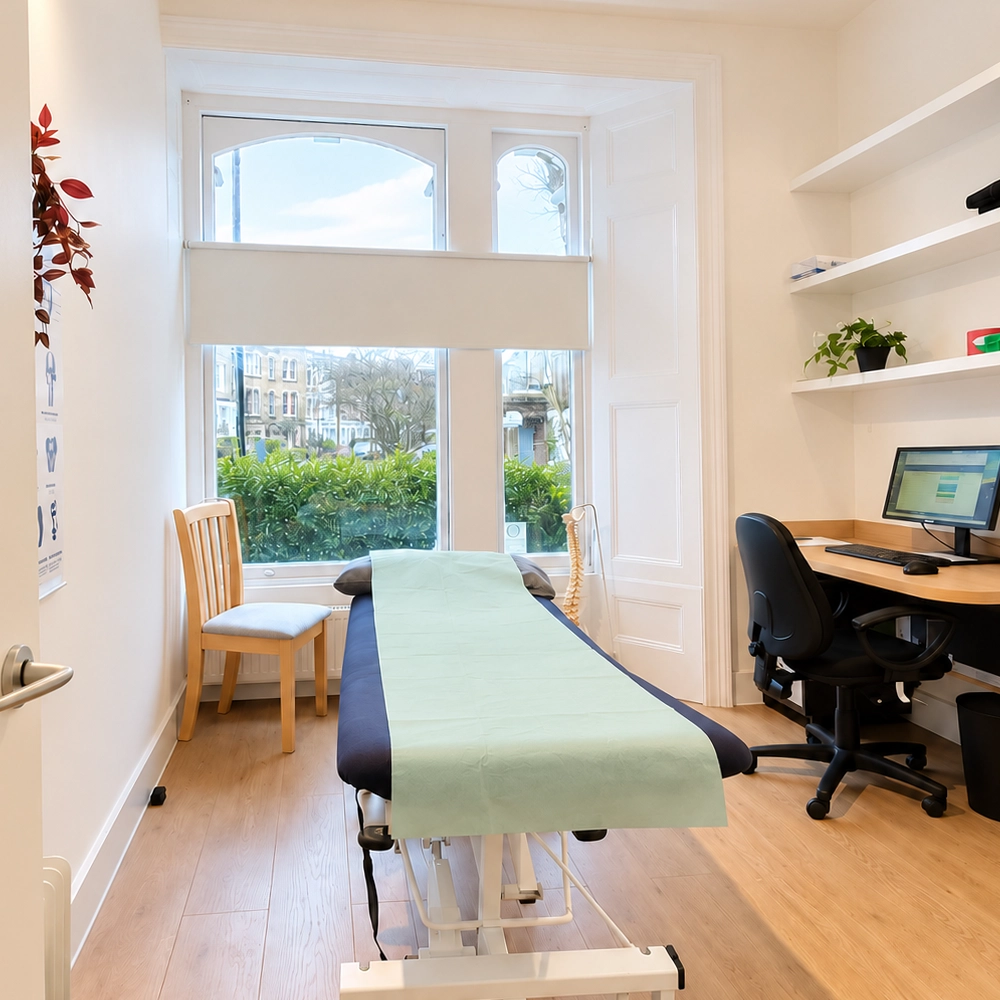
Treatment room at the Wellbeing Centres Kentish Town clinic, with a treatment couch by a large bay window

What Can Cupping
Therapy Help With?

Cupping therapy may help manage a range of muscular complaints, from everyday tension and stiffness to discomfort associated with physical activity. At Wellbeing Centres, our physiotherapists tailor treatment to your symptoms and individual needs.

Athlete in a green T-shirt stretching his shoulder on a running track
  1. Muscle Tension & Tightness

    Muscle tightness can develop from physical activity, repetitive movements or prolonged periods in the same position. Cupping therapy may help ease muscular tension, reduce stiffness and improve comfort during movement.

  2. Neck & Shoulder Tension

    Long hours at a desk, repetitive tasks and everyday stress can contribute to tightness around the neck and shoulders. Cupping therapy may provide short-term relief from muscular discomfort and help reduce feelings of stiffness.

  3. Back Muscle Pain & Stiffness

    Tight or overworked back muscles can make sitting, standing and everyday activities uncomfortable. Cupping therapy may provide temporary relief from certain types of muscular back pain, although persistent symptoms may require further assessment.

  4. Stress-Related Muscle Soreness

    Running, strength training and other physical activities can leave muscles feeling sore or tight. Cupping therapy may help some people manage post-exercise discomfort, although evidence that it accelerates recovery remains limited.

  5. Everyday Muscle Aches

    Prolonged sitting, physically demanding work and repetitive movements can contribute to muscular aches and stiffness. Cupping therapy may help ease discomfort and make everyday movement feel more comfortable.

  6. Persistent Musculoskeletal Discomfort

    Ongoing muscular discomfort can affect mobility and daily activities. Cupping may be considered alongside physiotherapy to help manage certain symptoms, depending on your condition and response to treatment.

The evidence supporting cupping therapy remains limited, and results vary between individuals. Our physiotherapists will assess your symptoms and recommend an appropriate treatment approach.

Therapist placing a glass cup on the back of a relaxed patient lying face down on a treatment couch

Book Cupping Therapy in London

Looking to relieve muscle tension, stiffness or everyday discomfort? Our experienced physiotherapists at Crouch Hill and Kentish Town provide personalised cupping therapy tailored to your needs. Book an appointment today and discover whether cupping therapy could help you feel more comfortable and move with greater ease.

How Does Cupping Therapy Work?

Cupping therapy uses specialised cups to create suction against the skin, gently lifting the skin and underlying superficial tissues. Unlike massage, which applies downward pressure, cupping produces a pulling sensation that can be adjusted to suit your comfort.

The suction temporarily affects local circulation and stimulates sensory nerves, which may help reduce the sensation of muscular discomfort and stiffness. However, the precise mechanisms and effectiveness of cupping therapy are not yet fully understood.

Potential Benefits of Cupping Therapy

  • Relieves Muscle Tension

    May help ease tightness and discomfort in tense or overworked muscles.

  • Reduces Muscular Discomfort

    May provide short-term relief from certain types of muscle pain and soreness.

  • Improves Comfort & Mobility

    Can temporarily reduce feelings of stiffness and make movement more comfortable.

  • Promotes Relaxation

    May help ease physical tension and encourage a sense of relaxation.

  • Complements Physiotherapy

    Can be incorporated alongside appropriate exercises and rehabilitation treatments.

  • Although some people experience symptom relief, scientific evidence for cupping therapy remains limited, and results vary between individuals. Your physiotherapist will assess whether it is appropriate for your needs.

What Happens
During a Cupping
Therapy Appointment?

At Wellbeing Centres, we aim to make your cupping therapy experience comfortable, straightforward and tailored to your needs. Your physiotherapist will guide you through each stage of treatment and explain what to expect.

Therapist placing suction cups on the shoulder of a relaxed patient lying face down
  1. Initial Assessment

    Your physiotherapist will discuss your symptoms, medical history and treatment goals. They’ll assess whether cupping therapy is suitable for you and explain any relevant precautions.

  2. Preparing for Treatment

    Your physiotherapist will identify the areas requiring treatment and help you into a comfortable position. They’ll check your skin and explain how the cups will be applied.

  3. Cupping Therapy Treatment

    Specialised cups are placed against your skin to create controlled suction. Depending on your needs, the cups may remain in position for several minutes or be moved gently across the treatment area. The suction will be adjusted to suit your comfort.

  4. Aftercare & Rehabilitation Advice

    Following treatment, your physiotherapist will explain any expected skin marks or temporary soreness and provide appropriate aftercare advice. They may also recommend exercises or additional physiotherapy to support your recovery.

Appointment duration varies depending on your treatment needs. Our team can confirm the available session options when booking.

Is Cupping Therapy
Safe?

Cupping therapy is generally well tolerated when performed by a suitably trained practitioner. Temporary circular red or purple marks are common after treatment and usually fade within several days, although they can sometimes last longer. Mild tenderness or soreness may also occur, while more serious complications are uncommon.

However, cupping may not be suitable for everyone, particularly those with bleeding disorders, taking blood-thinning medication, or experiencing skin infections or certain medical conditions. Burns, blistering and infections are also possible risks. At Wellbeing Centres, your physiotherapist will review your medical history and discuss any concerns before treatment to ensure cupping is appropriate for you.

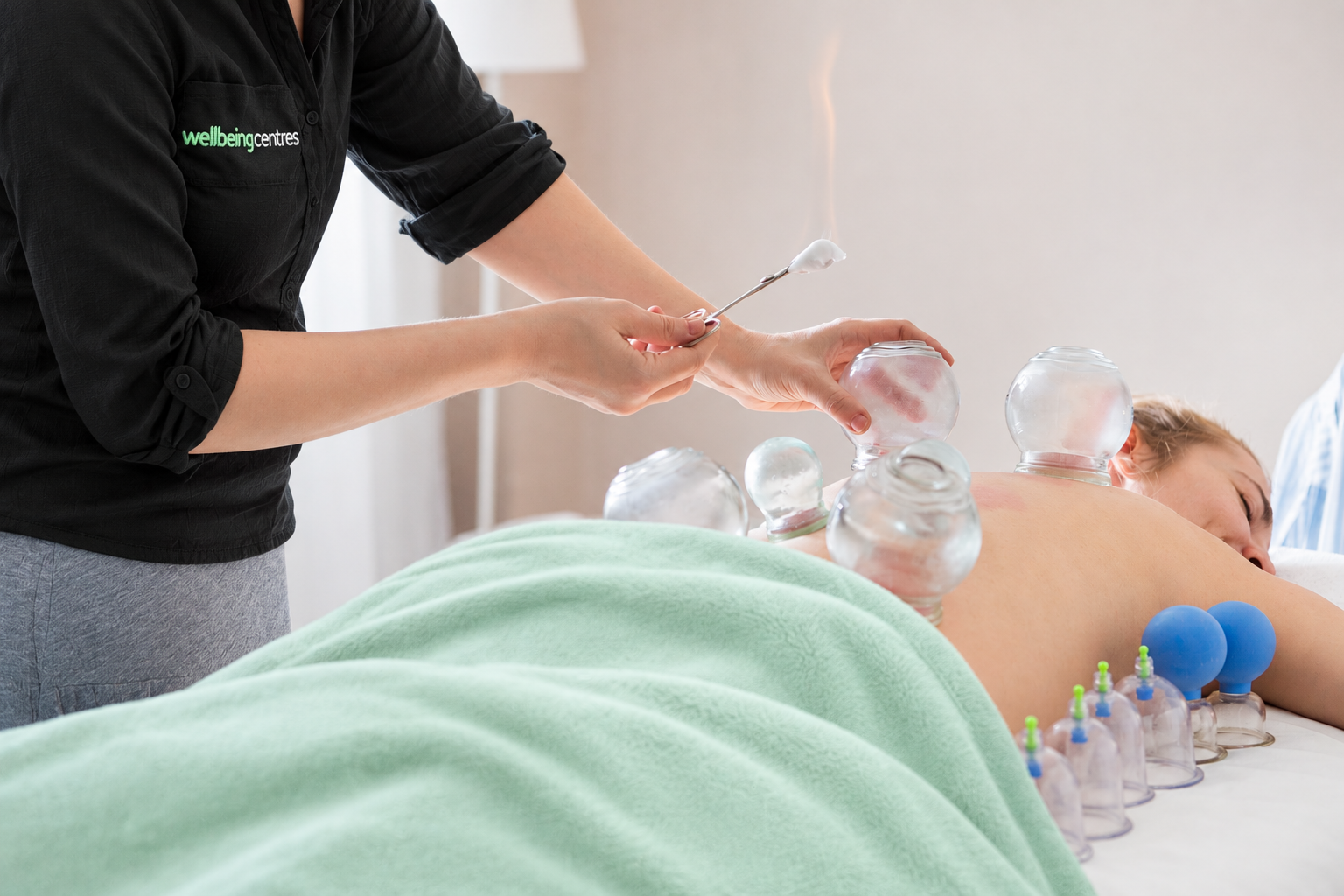
Wellbeing Centres therapist preparing glass cups over a patient lying under a mint towel during cupping therapy

Our London Clinics

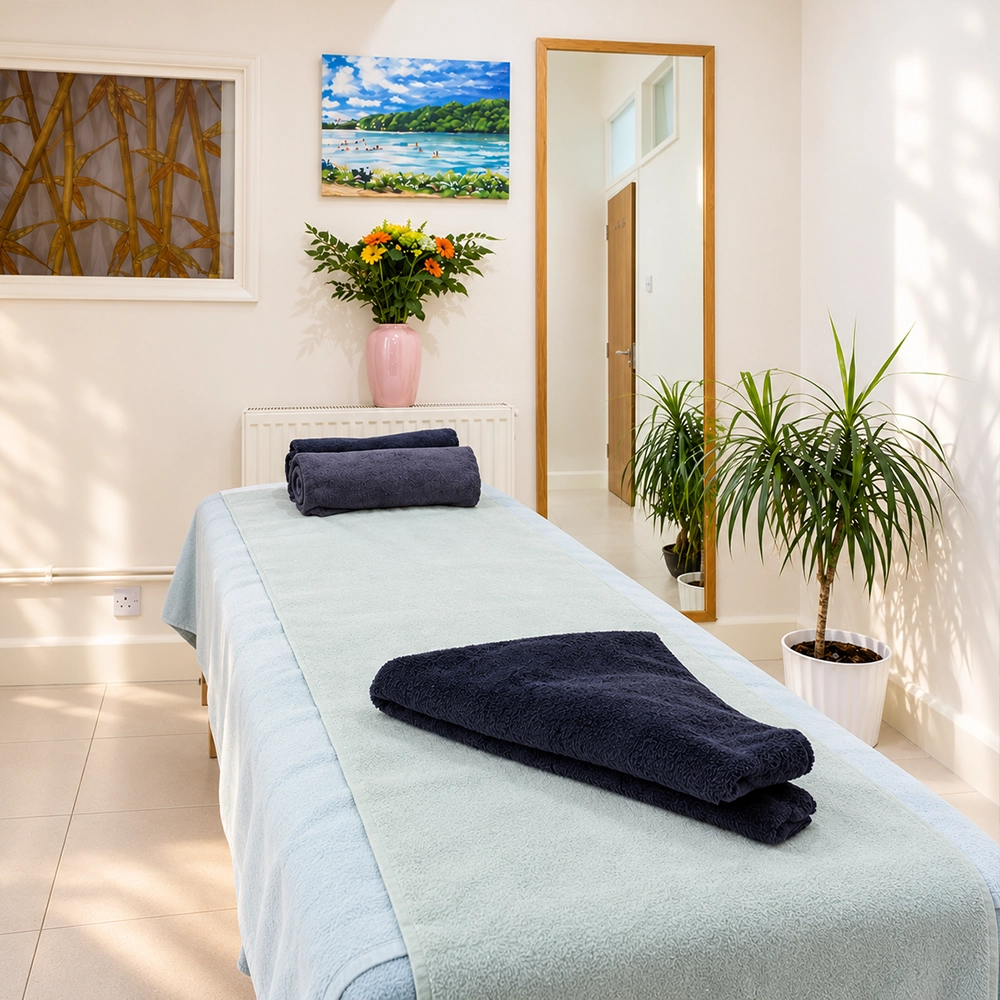
Bright treatment room at our Crouch Hill clinic, with a treatment couch and fresh towels

Crouch Hill

36 Crouch Hill, London N4 4AU

Our Crouch Hill clinic offers expert physiotherapy in a welcoming setting. With over 30 years of combined team experience, we provide personalised care to relieve pain, restore movement and support long-term wellbeing.

Treatments

  • Physiotherapy & rehabilitation
  • Acupuncture & shockwave therapy
  • Sports massage
  • Women's health physiotherapy

Clinic Facilities

Face-to-face appointments and secure virtual consultations available by telephone or video.

FrequentlyAsked Questions

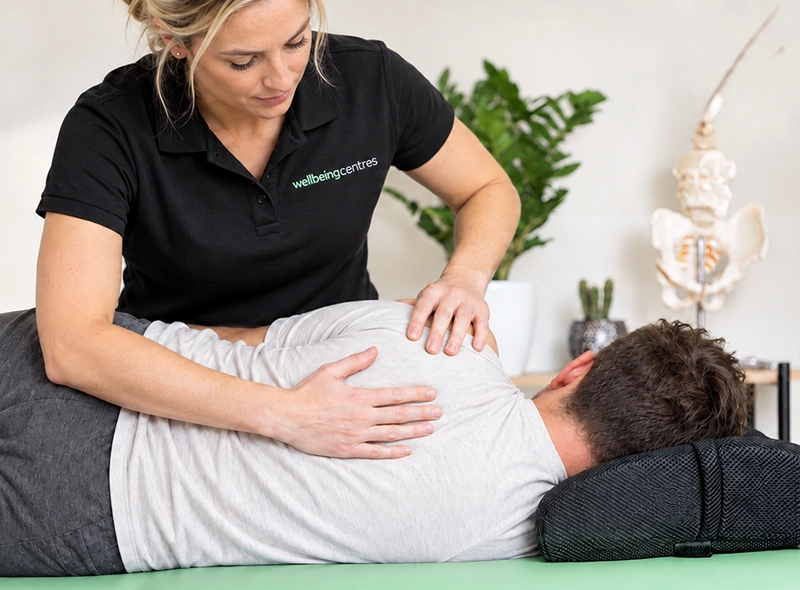
Wellbeing Centres physiotherapist treating a patient's shoulder and upper back on a treatment table
  • Cupping therapy uses specially designed cups to create suction against the skin, gently lifting the skin and superficial tissues. It is commonly used as a complementary treatment to help manage muscle tension, stiffness and certain types of muscular discomfort.

  • Cupping therapy may help relieve muscle tightness, reduce discomfort and improve comfort during movement. Some people also find the treatment relaxing. However, results vary, and scientific evidence supporting its effectiveness remains limited.

  • Some studies suggest cupping therapy may provide short-term relief from certain types of musculoskeletal pain, although the quality of evidence is generally low. At Wellbeing Centres, our physiotherapists can assess your symptoms and help determine whether cupping is an appropriate treatment option.

  • Cupping therapy usually creates a pulling or tightening sensation as suction is applied to the skin. Most people find this tolerable, although some discomfort is possible. Your physiotherapist will adjust the suction to suit your comfort and can stop treatment if necessary.

  • Massage uses pressure and movement to work on muscles and soft tissues, while cupping therapy uses suction to gently lift the skin and superficial tissues. Both may be used to manage muscular discomfort, and your physiotherapist can advise which approach is more suitable for your needs.

  • Dry cupping uses suction without breaking the skin, while wet cupping, also known as hijama, involves small skin incisions to draw blood. These techniques have different risks and precautions. Please contact our team to confirm which type of cupping is available at Wellbeing Centres.

  • Cupping therapy may provide temporary relief from certain types of muscular back and neck discomfort, particularly when associated with tension or stiffness. However, evidence of lasting benefits is uncertain. Our physiotherapists can assess your symptoms and recommend an appropriate treatment approach.

  • Cupping may help some people manage muscle tightness or discomfort associated with physical activity. However, there is insufficient evidence that it accelerates injury healing or improves athletic performance. It may be considered alongside appropriate physiotherapy and rehabilitation.

  • Appointment duration depends on your symptoms and treatment plan. The cups are generally applied for several minutes, although your session may also include an assessment or additional physiotherapy. Our team can confirm the available appointment options when booking.

  • The number of sessions depends on your symptoms, treatment goals and response to cupping. Some people try a single session, while others may consider further treatment if they experience meaningful relief. Your physiotherapist will review your progress and advise whether additional sessions are appropriate.

  • Some people notice reduced muscle tension or discomfort shortly after treatment, while others experience little or no improvement. Any relief may be temporary, and results vary between individuals. Your physiotherapist can help you assess whether treatment is beneficial.

  • Yes. Cupping commonly leaves circular red or purple marks where the cups have been applied. These are caused by suction affecting small blood vessels near the skin and usually fade within several days, although they can occasionally last longer.

  • Temporary skin marks, tenderness and mild soreness are common after cupping. Less common complications include blistering, burns and skin infections. Your physiotherapist will discuss the potential risks and assess whether treatment is suitable for you.

  • Many people can return to light activities after treatment. However, if your skin or muscles feel tender, it may be sensible to avoid strenuous exercise until the discomfort settles. Your physiotherapist can provide advice based on your treatment and activity levels.

  • No. Cupping may not be suitable for people with certain medical conditions, including bleeding disorders, active skin infections or fragile skin. Those taking blood-thinning medication may also require additional precautions. Your physiotherapist will review your medical history before treatment.

  • Yes. Cupping therapy can be incorporated into a wider physiotherapy programme when appropriate. At Wellbeing Centres, our physiotherapists may combine cupping with targeted exercises, hands-on treatment and rehabilitation advice to address your individual needs.

  • Cupping therapy prices depend on the appointment and treatment option selected. Please contact our team for current prices and available appointments at our Crouch Hill and Kentish Town clinics.

  • No. You can generally book directly with Wellbeing Centres without a GP referral. Our physiotherapists will assess your symptoms and medical history to determine whether cupping therapy is suitable for you.

  • Cupping therapy is available at our Crouch Hill and Kentish Town clinics in North London. You can book an appointment online or get in touch with our team to discuss availability and find a convenient appointment.

Message Us