













Wellbeing CentresWellbeing Centres
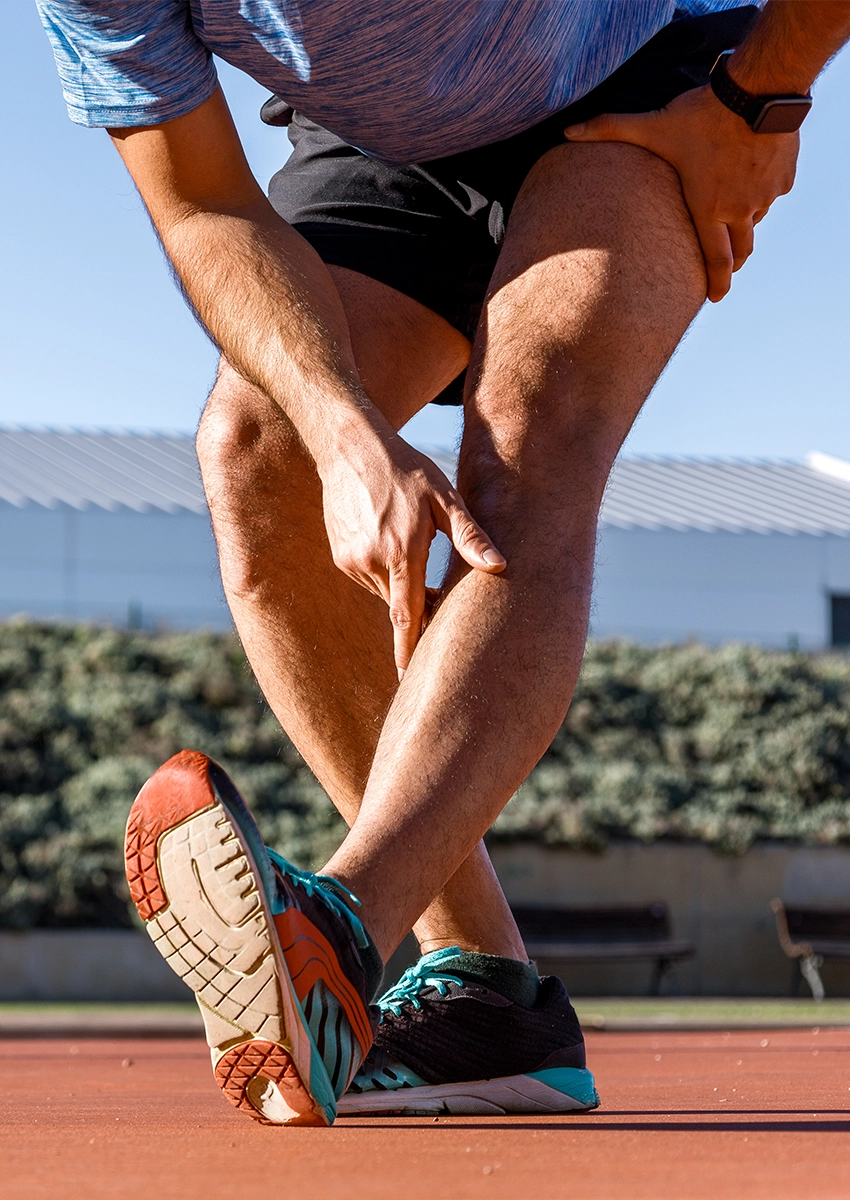
Runner crouching on a road in running shoes, holding his lower leg in pain

Running Injury Physiotherapy in London

Expert physiotherapy to relieve running-related pain, support injury recovery and get you back to running safely and confidently.

Runner crouching on a road in running shoes, holding his lower leg in pain

Accepted Insurance Providers

Accepted insurance providers: Aviva, Vitality, AXA, Bupa, Physio First, General Medical, Nuffield Health, hpCheck, WPA

Expert Running Injury
Physiotherapy in London

Struggling with knee pain, shin splints, Achilles tendon pain or another injury that’s affecting your running? At Wellbeing Centres, our experienced physiotherapists provide personalised assessment, treatment and rehabilitation to help relieve pain, restore mobility and get you back to running with confidence.

Whether you’re a beginner, recreational runner or experienced athlete preparing for your next race, we tailor treatment to your injury, training demands and recovery goals. With clinics in Crouch Hill, Kentish Town and Battersea, our physiotherapists can identify potential causes of your symptoms and develop a structured rehabilitation plan to support your recovery.

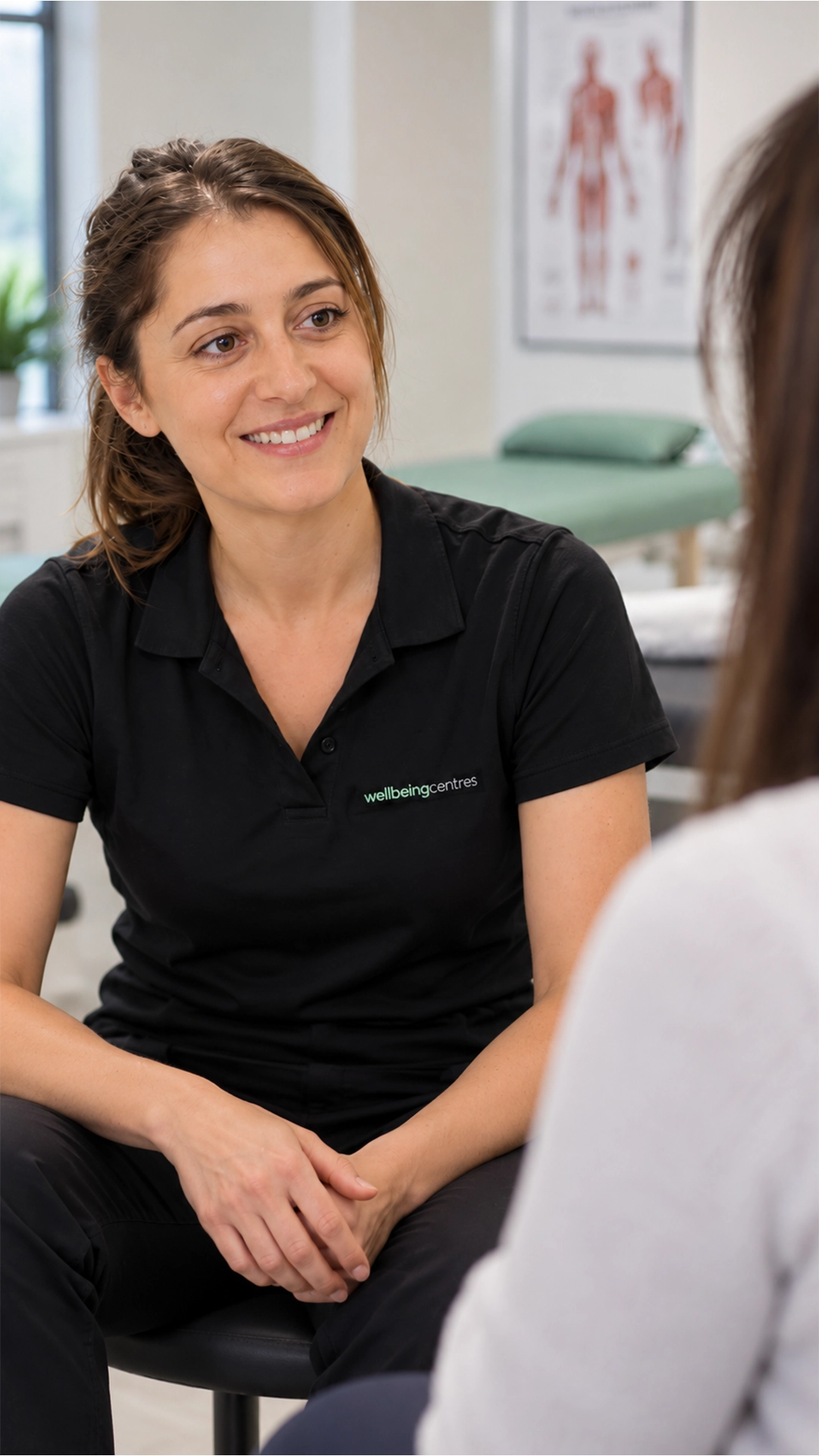
Smiling Wellbeing Centres physiotherapist in a branded polo shirt talking with a patient in a treatment room

Running Injury Physiotherapy Prices

At Wellbeing Centres, we offer running injury physiotherapy at competitive prices, with personalised assessment, treatment and rehabilitation tailored to your recovery goals.

All prices are for self-pay patients. Discounted session packages are available for runners requiring ongoing rehabilitation. Please contact our team to confirm current prices and appointment availability.

  • Initial Consultation

    £60

    30 minutes

  • Follow-Up Appointment

    £60

    30 minutes

  • 3-session package

    £162

  • 4-session package

    £204

  • 6-session package

    £288

Accepted Insurance Providers

  • Aviva logo
  • Vitality logo
  • AXA logo
  • Bupa logo
  • Physio First logo
  • General Medical logo
  • Nuffield Health logo
  • hpCheck logo

What is Running Injury Physiotherapy?

Running injury physiotherapy focuses on the assessment, treatment and rehabilitation of musculoskeletal injuries that develop through running or affect your ability to train comfortably.

Running places repetitive demands on your muscles, tendons, bones and joints. Injuries can develop due to sudden increases in training intensity or distance, inadequate recovery, muscle weakness, overuse or changes in running technique. Common conditions include runner’s knee, shin splints, Achilles tendinopathy, plantar fasciitis and muscle strains.

A physiotherapist will assess your symptoms, running history, muscle strength, joint mobility and relevant movement patterns to identify the likely cause of your injury and any contributing factors.

At Wellbeing Centres, our physiotherapists provide personalised treatment and rehabilitation, combining targeted strengthening exercises, hands-on physiotherapy where appropriate, and practical advice on training and recovery. The aim is to relieve pain, restore strength and mobility, and help you return to running safely while reducing the risk of future injuries.

Runner on an athletics track holding his knee, with one leg crossed in front of the other

MeetOur Team

Our experienced physiotherapists provide personalised assessment, treatment and rehabilitation for runners of all abilities, helping you recover from injuries, restore strength and mobility, and return to running with confidence.

  • Portrait of Mr Edwin Park

    Mr Edwin Park

    MSK Physiotherapist, Shockwave Therapy, Acupuncture

  • Portrait of Ms Nicoleta Raus

    Ms Nicoleta Raus

    MSK Physiotherapist

  • Portrait of Ms Harneet Gulati

    Ms Harneet Gulati

    MSK Physiotherapist, Shockwave Therapy

  • Portrait of Mr Julius Chung

    Mr Julius Chung

    MSK Physiotherapist, Acupuncture, Cupping

  • Portrait of Ms Shanza Javid

    Ms Shanza Javid

    MSK Physiotherapist, Shockwave Therapy, Acupuncture

  • Portrait of Mr Seong Wook

    Mr Seong Wook

    Sports and Deep Tissue Massage

Why Choose Wellbeing Centres for Running Injury Physiotherapy?

  • Experienced Physiotherapists

    Our experienced physiotherapists assess and treat a wide range of running-related injuries, helping runners relieve pain, recover from injuries and return to their usual activities.

  • Personalised Rehabilitation Plans

    Every treatment plan is tailored to your injury, running experience, training demands and recovery goals, with targeted exercises and practical advice to support your recovery.

  • Comprehensive Injury Assessment

    We assess your symptoms, muscle strength, joint mobility and relevant running-related factors to identify potential causes of your injury and develop an appropriate treatment plan.

  • Progressive Return-to-Running Support

    Our physiotherapists guide you through a structured return to running, helping you rebuild strength, gradually increase training loads and regain confidence.

  • Trusted Care Since 2008

    Wellbeing Centres has been providing physiotherapy and rehabilitation services across London since 2008, helping patients manage pain, recover from injuries and improve mobility.

  • Three Convenient London Clinics

    Access running injury physiotherapy at our Crouch Hill, Kentish Town and Battersea clinics, with convenient appointment options to fit around your training and daily routine.

Man in a hoodie and shorts running along the red running lane of a bridge

What Running Injuries
Can Physiotherapy
Help With?

Running injuries can affect the feet, ankles, knees, hips and lower legs, causing pain, stiffness and difficulty training. At Wellbeing Centres, our experienced physiotherapists assess and treat a wide range of running-related injuries, providing personalised treatment and rehabilitation to support recovery and help you return to running safely.

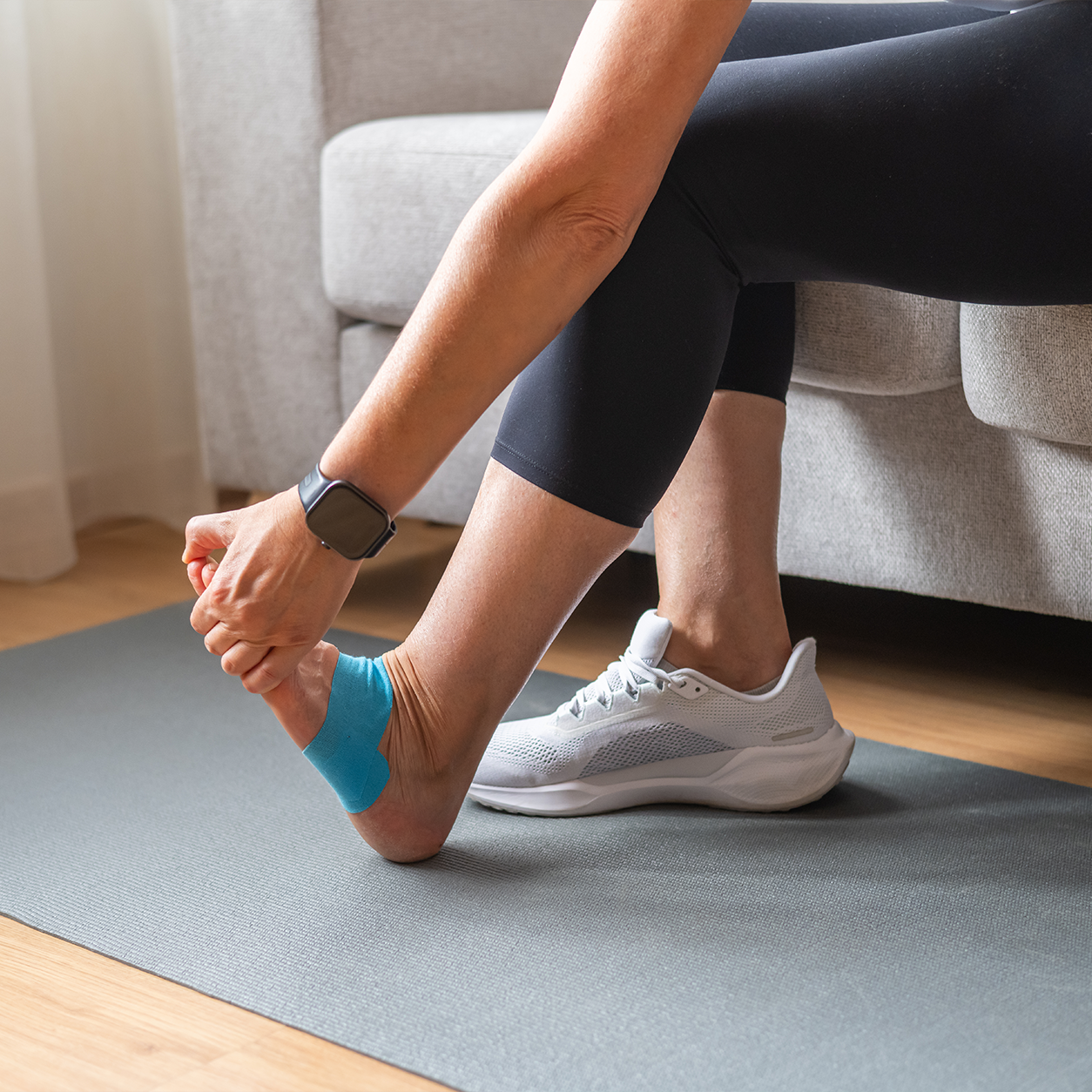
Person in running shoes stretching their foot on an exercise mat, with blue tape on the heel
  1. Runner’s Knee (Patellofemoral Pain)

    Runner’s knee causes pain around or behind the kneecap, particularly during running, climbing stairs or squatting. Physiotherapy can help relieve symptoms through targeted strengthening exercises, movement assessment and adjustments to training loads.

  2. Iliotibial Band Syndrome (ITBS)

    IT band syndrome typically causes pain on the outside of the knee, particularly during longer runs or increased training. Our physiotherapists can assess contributing factors and provide strengthening exercises, training advice and progressive rehabilitation to support recovery.

  3. Shin Splints (Medial Tibial Stress Syndrome)

    Shin splints cause pain along the inner edge of the shinbone, often associated with repetitive running or sudden increases in training. Physiotherapy can help manage symptoms through strengthening exercises, load management and a gradual return to running, while identifying signs of more serious bone stress injuries.

  4. Achilles Tendinopathy

    Achilles tendinopathy causes pain and stiffness at the back of the ankle, particularly during running or after periods of rest. Physiotherapy can help improve tendon strength and tolerance to activity through progressive calf exercises, load management and structured rehabilitation.

  5. Plantar Fasciitis (Plantar Heel Pain)

    Plantar fasciitis commonly causes pain beneath the heel, particularly when taking the first steps in the morning or after resting. Our physiotherapists provide targeted exercises, stretching advice and practical recommendations to help relieve discomfort and improve mobility.

  6. Ankle Sprains & Instability

    Ankle sprains can occur when running on uneven surfaces or following an awkward landing, causing pain, swelling and reduced stability. Physiotherapy can help restore strength, balance and joint mobility while supporting recovery and a gradual return to running.

  7. Hamstring & Calf Strains

    Sprinting, sudden acceleration and changes in training intensity can contribute to hamstring and calf muscle injuries. Physiotherapy can help restore muscle strength, flexibility and function through progressive rehabilitation and appropriate return-to-running exercises.

  8. Hip Pain & Running-Related Injuries

    Running can sometimes contribute to or aggravate pain affecting the hip muscles, tendons and joints. Our physiotherapists assess potential causes of discomfort and provide targeted strengthening, mobility exercises and rehabilitation to improve movement and running tolerance.

  9. Stress Fractures & Bone Stress Injuries

    Repetitive impact and excessive training loads can contribute to bone stress injuries, particularly in the feet and lower legs. These conditions may require medical assessment, imaging and a period away from running. Physiotherapy can support rehabilitation and a gradual return to activity once it is medically appropriate.

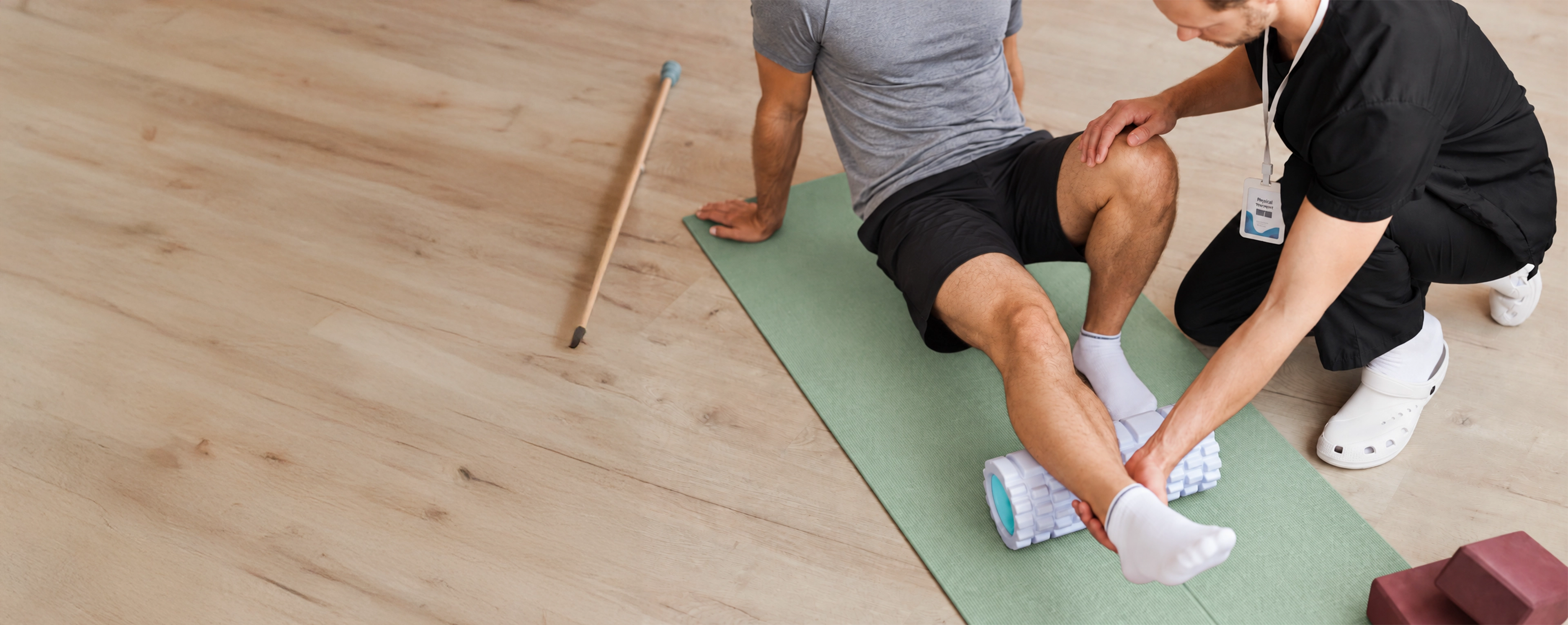
Physiotherapist supporting a patient's knee and ankle during a foam roller exercise

Book an Appointment

Our experienced physiotherapists provide personalised assessment, treatment and rehabilitation for running-related injuries at our Crouch Hill, Kentish Town and Battersea clinics. Choose your preferred location and book an appointment to start your recovery.

How Does Running Injury Physiotherapy Work?

Running injury physiotherapy begins with a detailed assessment of your symptoms, running history, muscle strength, joint mobility and relevant movement patterns. Your physiotherapist will also consider factors such as recent changes in training distance, intensity, footwear and recovery habits to identify potential causes of your injury.

Based on the assessment, your physiotherapist will develop a personalised treatment and rehabilitation plan. This may include targeted strengthening exercises, mobility work, hands-on physiotherapy and practical advice on managing training loads. As your condition improves, rehabilitation progresses towards running-specific exercises and a gradual return to your usual training routine.

Benefits of Running Injury Physiotherapy

  • Relieves Pain & Discomfort

    Helps manage running-related muscle, tendon and joint pain through targeted treatment and rehabilitation.

  • Supports Injury Recovery

    Provides structured rehabilitation to restore strength, mobility and physical function following an injury.

  • Addresses Contributing Factors

    Identifies relevant training, strength and movement factors that may contribute to running-related injuries.

  • Supports a Safe Return to Running

    Helps you gradually rebuild strength, increase training loads and regain confidence in your running ability.

  • Reduces Future Injury Risk

    Provides practical advice on strengthening, training progression and recovery to help manage the risk of recurring injuries.

  • Recovery times vary depending on the type and severity of your injury. Your physiotherapist will monitor your progress, adjust your rehabilitation programme as needed and help you work towards realistic recovery and running goals.

What Happens
During a Running
Injury Physiotherapy
Appointment?

At Wellbeing Centres, our physiotherapists provide a comprehensive assessment and personalised treatment to identify the likely cause of your injury, relieve symptoms and support your return to running.

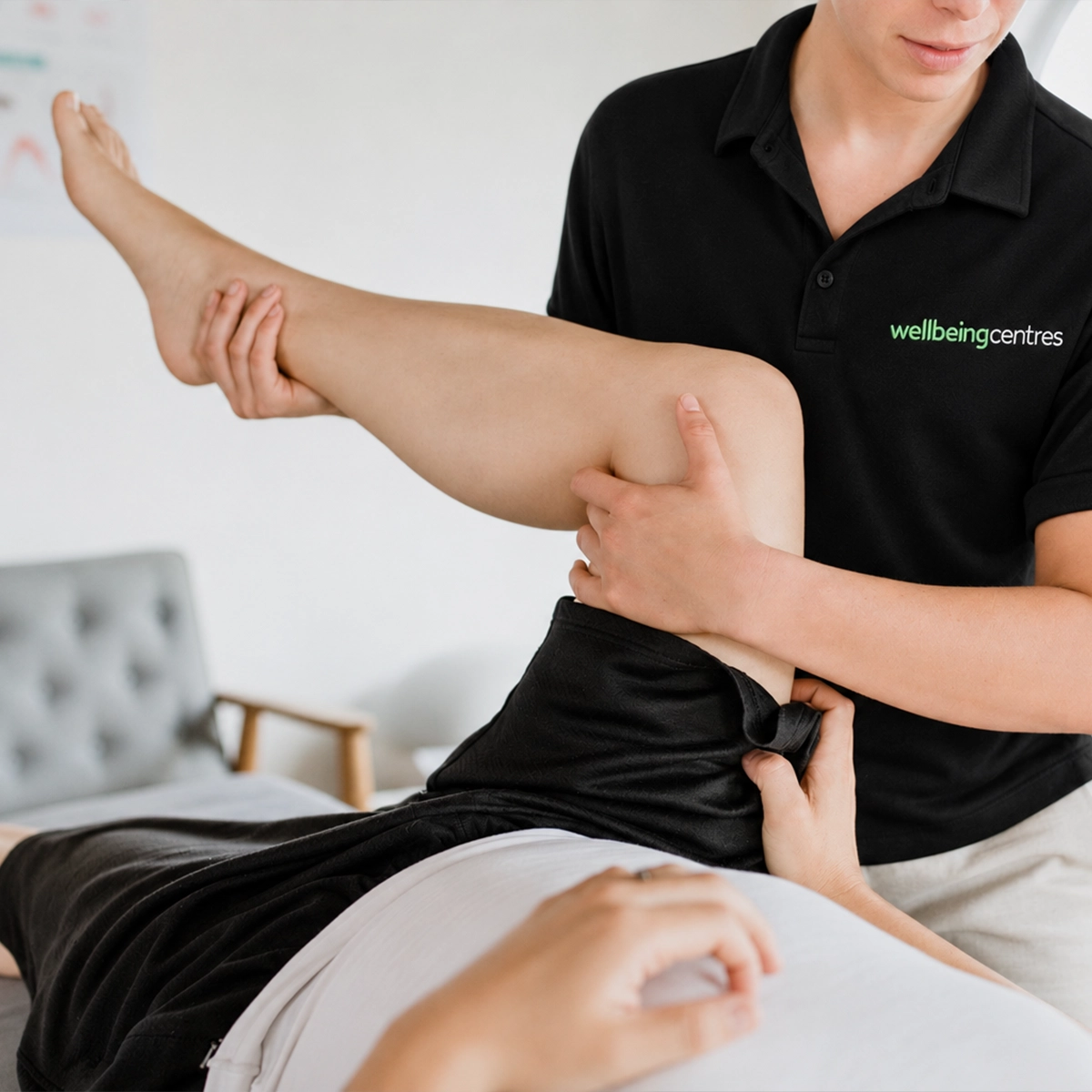
Wellbeing Centres physiotherapist lifting and supporting the bent leg of a patient lying on a treatment couch
  1. Initial Consultation

    Your physiotherapist will discuss your symptoms, medical history, running routine and training goals. They’ll ask when your pain started, what makes it worse and whether recent changes in training distance, intensity or frequency may have contributed to your injury.

  2. Physical & Running-Related Assessment

    Your physiotherapist will assess your muscle strength, joint mobility, flexibility and relevant movement patterns to identify potential causes of discomfort. Where appropriate, they may also assess running-related movements and activities to better understand your injury.

  3. Personalised Physiotherapy Treatment

    Based on the assessment, your physiotherapist will develop a tailored treatment plan that may include hands-on physiotherapy, targeted strengthening exercises, mobility work and advice on adjusting your training to support recovery.

  4. Rehabilitation & Return-to-Running Plan

    You’ll receive a personalised rehabilitation programme with exercises and practical advice to help restore strength, improve movement and gradually return to running. Your physiotherapist may recommend follow-up appointments to monitor progress and adjust your treatment as needed.

Physiotherapy appointments are 30 minutes. The number of sessions required depends on your injury, its severity and your individual recovery goals.

Running Injury Physiotherapy at Our London Clinics

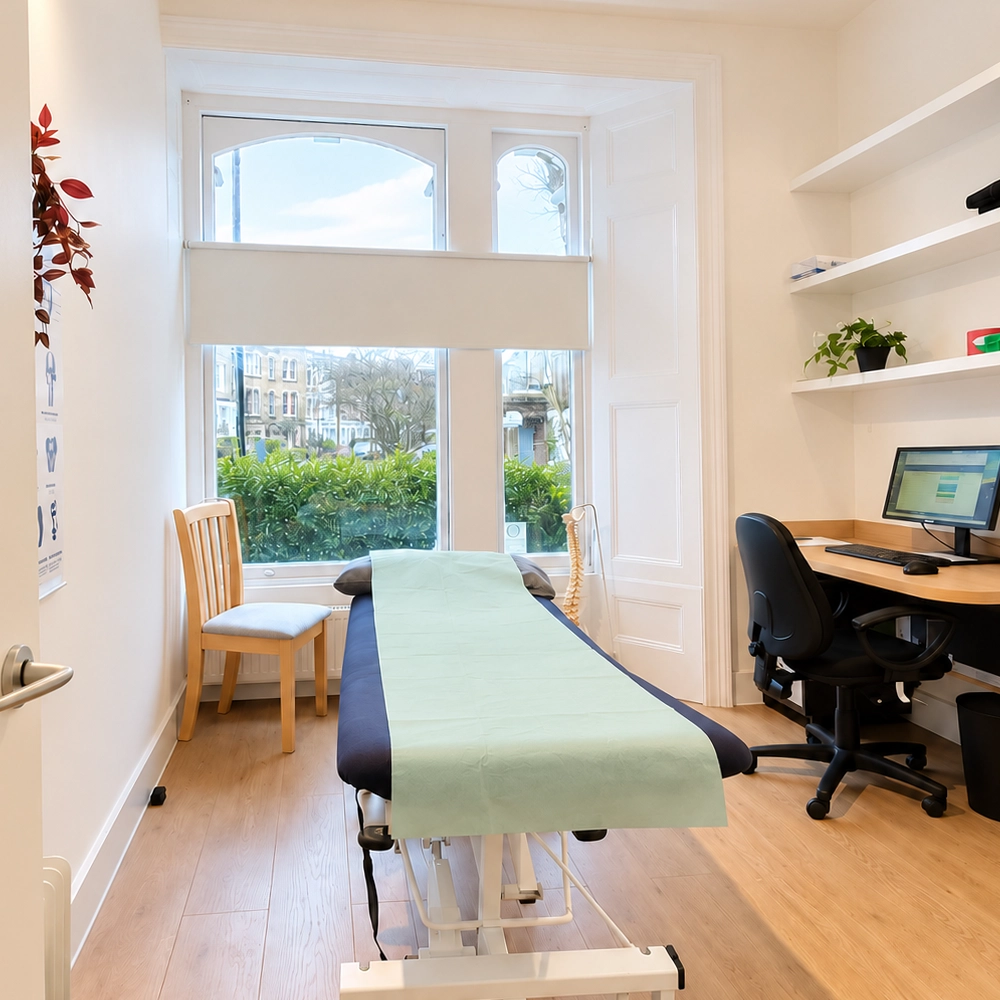
Bright treatment room at our Crouch Hill clinic, with a treatment couch and fresh towels

Crouch Hill

36 Crouch Hill, London N4 4AU

Our Crouch Hill clinic offers expert physiotherapy in a welcoming setting. With over 30 years of combined team experience, we provide personalised care to relieve pain, restore movement and support long-term wellbeing.

Treatments

  • Physiotherapy & rehabilitation
  • Acupuncture & shockwave therapy
  • Sports massage
  • Women's health physiotherapy

Clinic Facilities

Face-to-face appointments and secure virtual consultations available by telephone or video.

FrequentlyAsked Questions

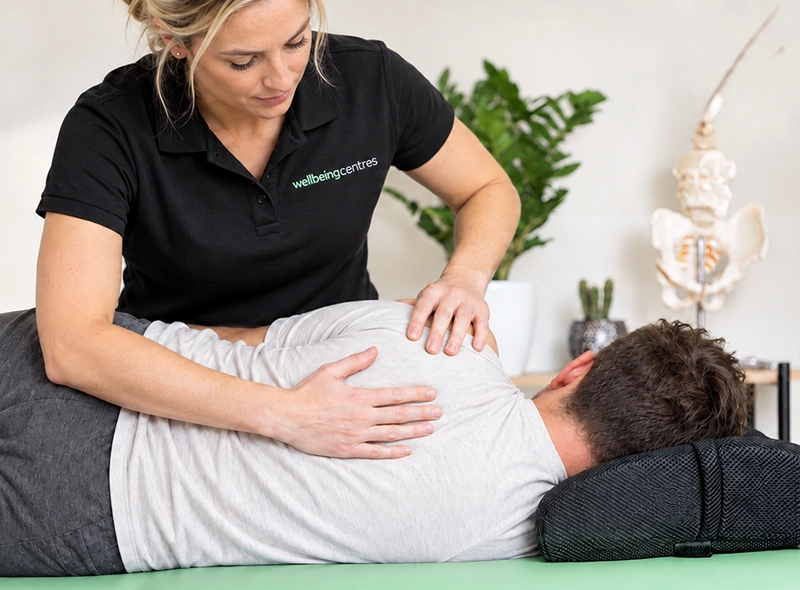
Wellbeing Centres physiotherapist treating a patient's shoulder and upper back on a treatment table
  • Running injury physiotherapy helps diagnose, treat and rehabilitate injuries that affect your ability to run comfortably. At Wellbeing Centres, our experienced physiotherapists provide personalised assessments, targeted treatment and structured rehabilitation programmes to relieve pain, restore strength and help you return to running with confidence.

  • Common running injuries include runner's knee, iliotibial band syndrome (ITBS), shin splints, Achilles tendinopathy, plantar fasciitis, ankle sprains and muscle strains. Whether your symptoms have developed gradually or following a sudden injury, our physiotherapists can assess the problem and recommend an appropriate treatment plan.

  • Yes. Physiotherapy is one of the main treatments for runner's knee, also known as patellofemoral pain. Our physiotherapists can assess your knee function, muscle strength and training habits before developing a personalised rehabilitation programme. Treatment may include hip and knee strengthening, movement exercises and adjustments to your running routine to help relieve pain and restore function.

  • Yes. Physiotherapy can help relieve shin splint symptoms and support recovery through targeted strengthening exercises, training modifications and progressive rehabilitation. Our physiotherapists will also assess whether your symptoms suggest a more serious bone stress injury that requires further investigation. Early assessment can help you understand when and how to return to running safely.

  • Yes. Physiotherapy is commonly recommended for Achilles tendinopathy, which can cause pain and stiffness at the back of the ankle. Treatment typically includes progressive calf strengthening, load management and a structured rehabilitation programme to improve tendon function. Our physiotherapists can help you gradually return to running as your symptoms and strength improve.

  • Yes. Physiotherapy can help manage plantar fasciitis, a common cause of heel pain in runners. Treatment may include targeted strengthening, stretching, footwear advice and adjustments to your training routine. At Wellbeing Centres, we tailor rehabilitation to your symptoms and activity goals, helping you improve comfort when walking and running.

  • Not necessarily. Some running injuries can be managed by temporarily reducing your distance, speed or training frequency, while others require a period away from running. Our physiotherapists can assess your injury and advise whether it's safe to continue training, helping you maintain appropriate activity levels without unnecessarily aggravating your symptoms. Suspected stress fractures require medical assessment and avoidance of running until appropriately cleared.

  • Whether you can continue running depends on the cause, severity and behaviour of your knee pain. Some mild conditions can be managed through training adjustments and rehabilitation, but worsening pain, swelling or instability should not be ignored. Our physiotherapists can assess your knee and provide personalised advice on managing symptoms and returning to running safely.

  • Recovery depends on the type and severity of your injury. Some muscle strains may improve within a few weeks, while persistent tendon problems and bone stress injuries can require several months of rehabilitation. Following your assessment, your physiotherapist can explain the likely recovery process and develop a structured treatment plan to help you progress towards your running goals.

  • The number of sessions depends on your injury, symptoms and recovery goals. Some runners improve with a small number of appointments and a home exercise programme, while more persistent injuries may require ongoing rehabilitation. Your physiotherapist will explain the recommended treatment approach following your initial assessment, with discounted session packages available for those requiring multiple appointments.

  • At Wellbeing Centres, treatment is tailored to your injury and may include hands-on physiotherapy, targeted strengthening exercises, mobility work, balance training and progressive rehabilitation. Your physiotherapist will also provide practical advice on managing training loads and returning to running. The aim is not simply to relieve symptoms but to restore function and address relevant factors contributing to your injury.

  • Where appropriate, your physiotherapist may assess your movement patterns and running-related activities to identify factors contributing to your symptoms. This can help guide strengthening exercises, rehabilitation and training advice. If you're specifically looking for a detailed running gait analysis, please contact our team beforehand to confirm whether this is available at your preferred clinic.

  • Physiotherapy can help identify factors that may increase your risk of injury, including muscle weakness, training errors and difficulties tolerating running loads. Our physiotherapists can recommend targeted strengthening exercises, gradual training progression and practical recovery strategies to help reduce the likelihood of recurring problems. Although injuries cannot always be prevented, appropriate preparation and rehabilitation can support long-term running health.

  • Yes. Whether you're preparing for your first 5K, half marathon or full marathon, physiotherapy can help you manage running-related discomfort and make informed decisions about training. Our physiotherapists can assess your symptoms, recommend appropriate modifications and develop a rehabilitation programme that considers your race preparation and recovery goals. Where necessary, they'll advise when reducing or pausing training is the safer option.

  • Not always. Many running injuries can be assessed through a detailed consultation and physical examination without requiring imaging. However, an MRI, X-ray or other investigation may be recommended if a stress fracture, significant structural injury or another condition is suspected. Our physiotherapists can advise whether further investigation or specialist assessment is appropriate.

  • Yes. Physiotherapy can play an important role in rehabilitation following certain knee, ankle, hip and other orthopaedic procedures. Our physiotherapists can help restore strength, mobility and functional movement through a progressive rehabilitation programme. Your return-to-running plan will be tailored to your surgery, recovery progress and any guidance provided by your surgeon.

  • Sports massage primarily focuses on soft tissue treatment to help manage muscle tension and discomfort. Running injury physiotherapy provides

Message Us