Wellbeing CentresWellbeing Centres
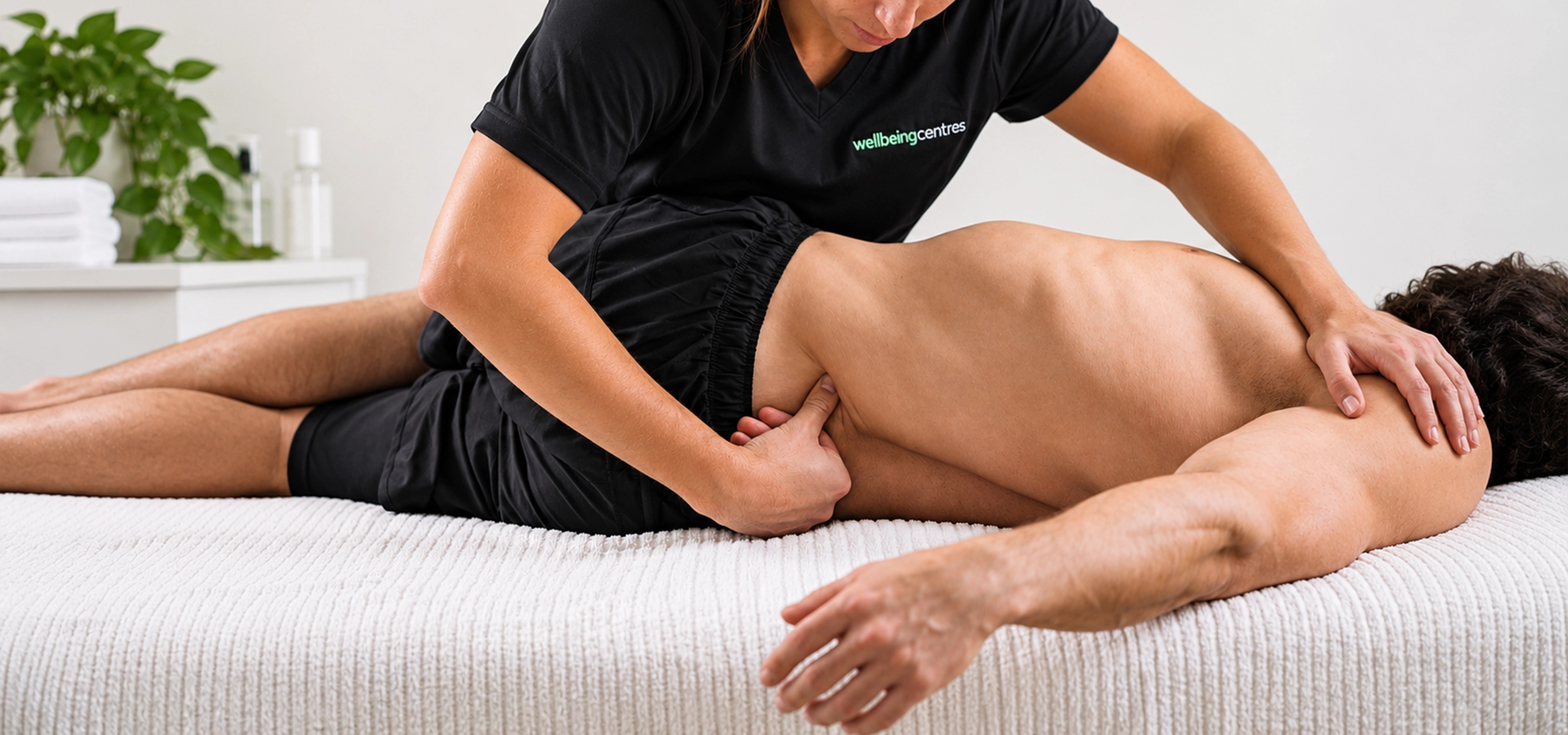
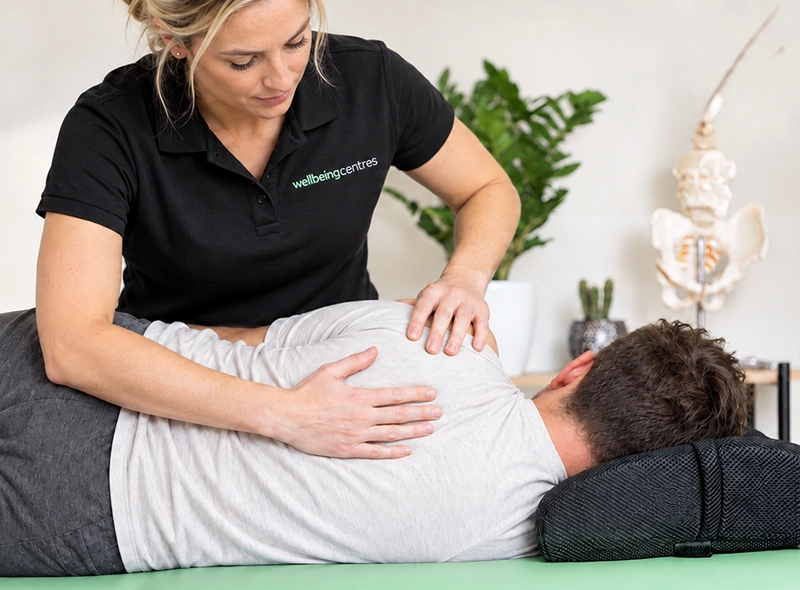
Wellbeing Centres therapist giving a sports massage to a patient lying on his side on a treatment couch

Sports Massage in London

Targeted treatment to relieve muscle tension, reduce soreness and support recovery.

Wellbeing Centres therapist giving a sports massage to a patient lying on his side on a treatment couch

Expert Sports Massage for
Muscle Pain & Recovery

Struggling with tight muscles, persistent aches or soreness after exercise? At Wellbeing Centres, our experienced sports massage therapist provides targeted treatment to help relieve muscle tension, reduce discomfort and improve mobility.

We offer personalised sports massage at our Crouch Hill clinic, with treatments tailored to your individual needs. Whether you're recovering from intense training, managing everyday muscle tension or looking to move more comfortably, our hands-on approach can help you feel better and return to the activities you enjoy.

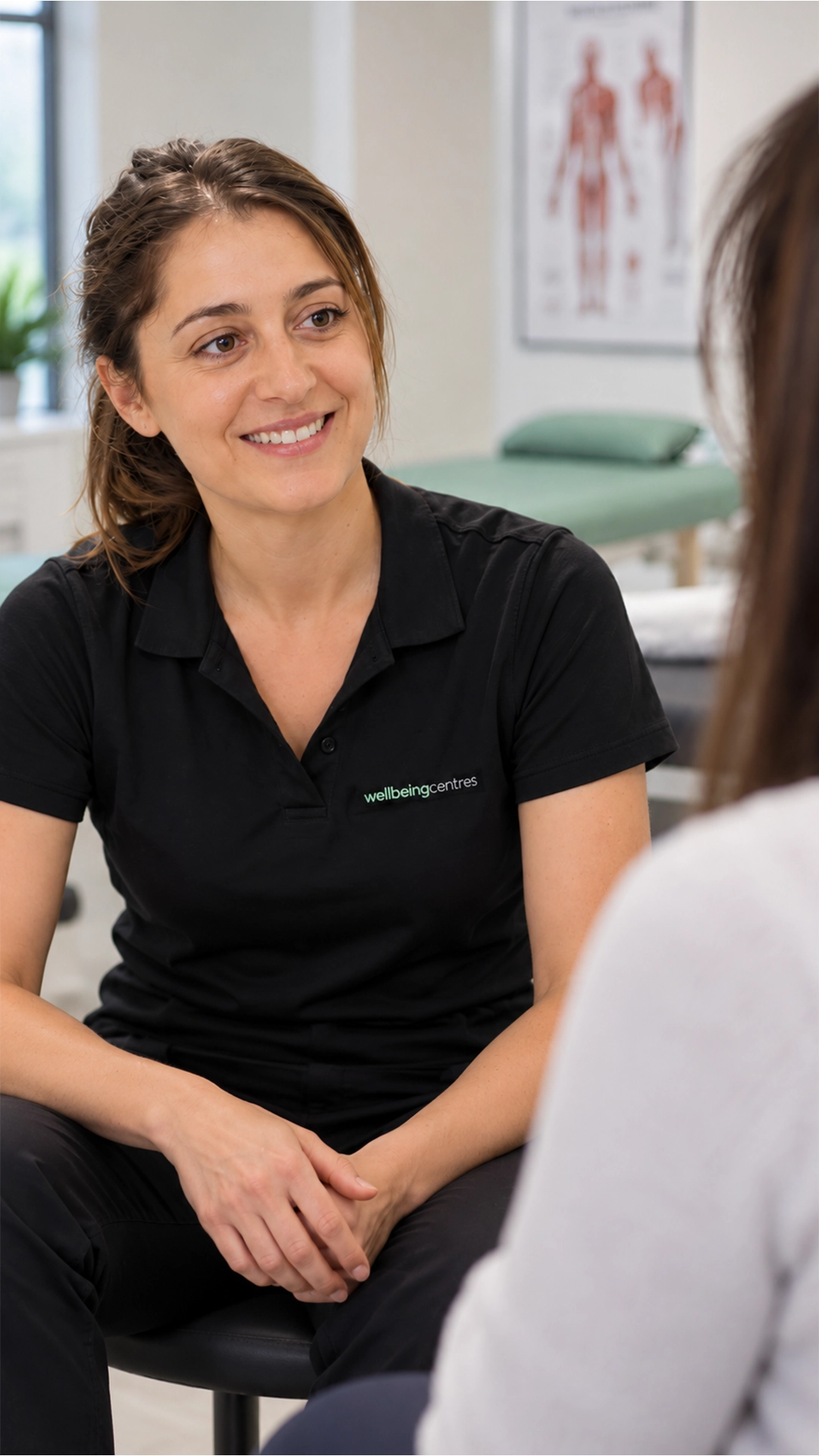
Smiling Wellbeing Centres therapist in a branded polo shirt talking with a patient in a treatment room

What is Sports Massage?

Sports massage is a form of therapeutic massage that uses targeted hands-on techniques to relieve muscle tension, reduce discomfort and improve mobility. It focuses on muscles and surrounding soft tissues, helping to manage soreness, stiffness and muscular tightness associated with exercise or everyday activities.

Unlike traditional relaxation massage, sports massage focuses on specific areas of tension or discomfort. Your therapist may use a combination of deep tissue massage, kneading, compression and stretching techniques, adjusting the pressure and approach to suit your individual needs.

Although commonly used by athletes, runners and gym-goers, sports massage isn't just for people who play sport. It can also benefit those experiencing muscle tension from prolonged sitting, repetitive movements, physically demanding work or everyday activities.

At Wellbeing Centres, our experienced sports massage therapist provides personalised treatment at our Crouch Hill clinic, helping you manage muscular discomfort, ease stiffness and move more comfortably.


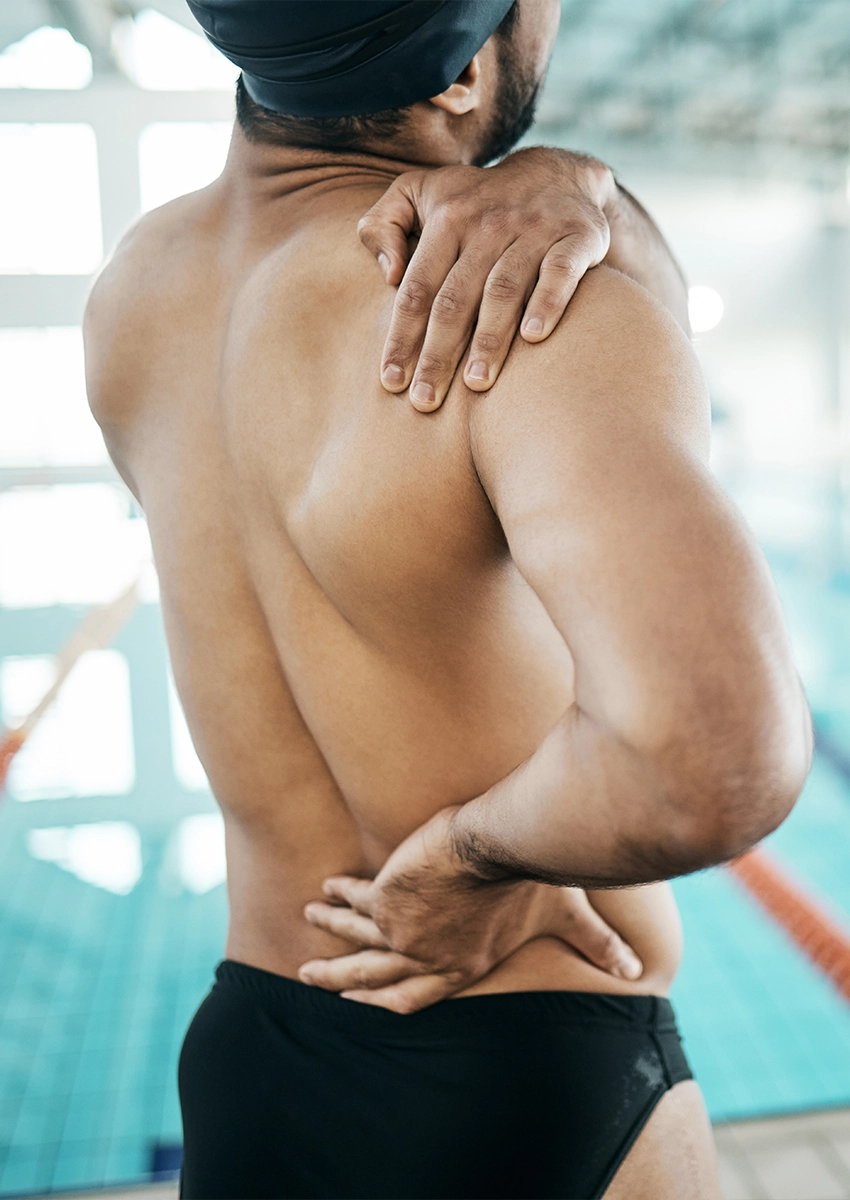
Swimmer by a pool holding his shoulder and lower back, showing muscle soreness after training

Why Choose Wellbeing Centres for Sports Massage?

  • Experienced Sports Massage Therapist

    Our dedicated therapist has over six years of experience delivering sports and deep tissue massage to help relieve muscle tension and discomfort.

  • Personalised Treatment Plans

    Every session is tailored to your symptoms, activity levels and goals, focusing on the areas that need the most attention.

  • Targeted Sports & Deep Tissue Techniques

    We combine a range of hands-on massage techniques to address muscle tightness, reduce stiffness and improve comfort during movement.

  • Competitive Pricing & Discounted Packages

    Enjoy 60-minute sports massage sessions for £70, with discounted three-session and five-session packages available for regular treatment.

  • Trusted Care Since 2008

    Wellbeing Centres has been providing physiotherapy and rehabilitation services across London since 2008, helping patients manage pain and improve mobility.

  • Convenient Crouch Hill Location

    Access personalised sports massage at our Crouch Hill clinic, conveniently located in North London.

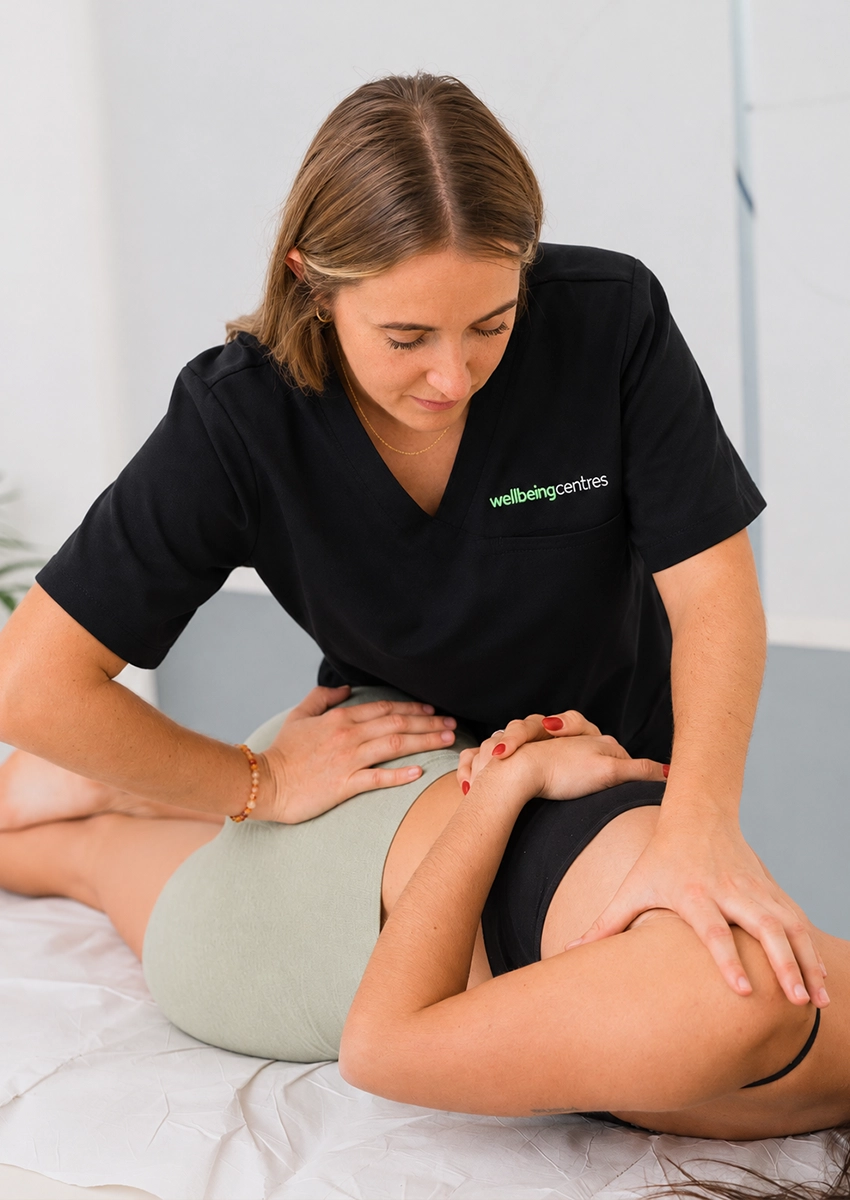
Wellbeing Centres therapist massaging the hip of a patient lying on her side on a treatment couch

What Can Sports
Massage Help With?

Sports massage can help manage a range of muscular complaints, from exercise-related soreness to everyday tension and stiffness. At Wellbeing Centres, our therapist tailors each treatment to your symptoms, activity levels and individual needs.

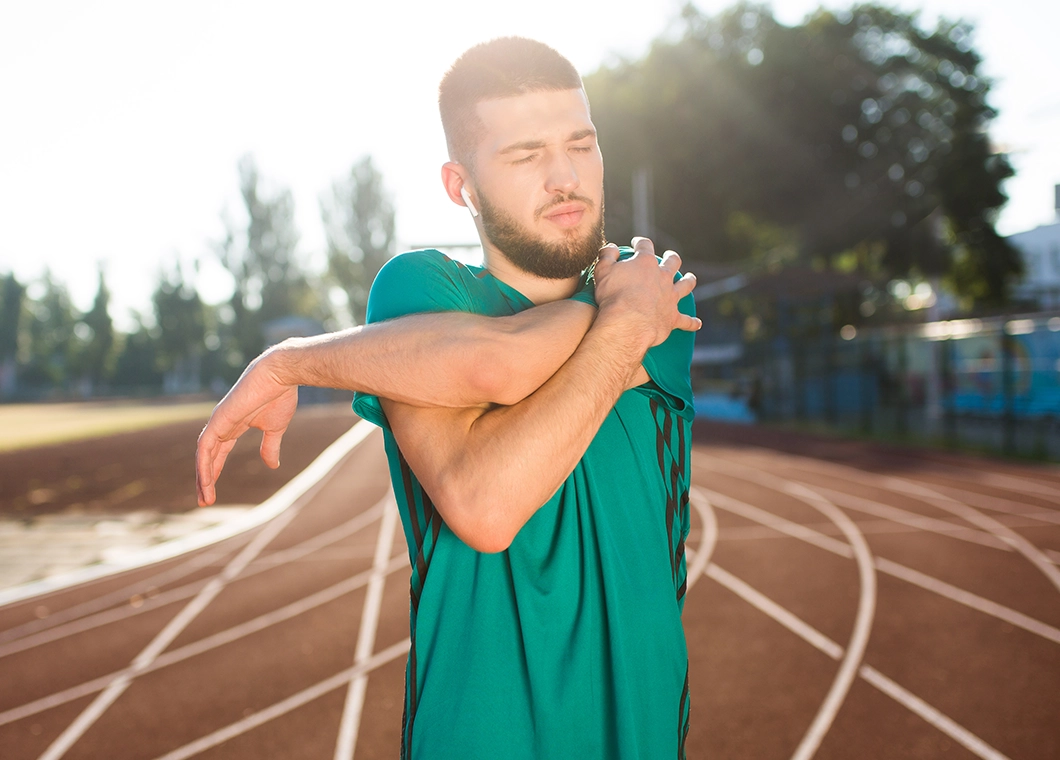
Athlete in a green T-shirt stretching his shoulder on a running track
  1. Muscle Tension & Tightness

    Tight muscles can cause discomfort and restrict movement, particularly around the neck, shoulders, back and legs. Sports massage uses targeted soft tissue techniques to help relieve tension, ease stiffness and improve comfort.

  2. Post-Exercise Muscle Soreness

    Intense workouts, strength training and unfamiliar activities can leave muscles feeling sore and fatigued. Sports massage may help reduce delayed onset muscle soreness (DOMS), making recovery periods more comfortable.

  3. Neck & Shoulder Tension

    Prolonged desk work, poor working positions and repetitive movements can contribute to tightness around the neck and shoulders. Targeted massage may help ease muscular discomfort, reduce stiffness and improve everyday movement.

  4. Back Muscle Pain & Stiffness

    Overworked or tense back muscles can make sitting, standing and physical activity uncomfortable. Sports massage may provide short-term relief from muscular back pain and stiffness, although persistent or unexplained symptoms may require further assessment.

  5. Running & Sports Muscle Tightness

    Running, cycling and other sports place repeated demands on muscles, particularly in the legs and lower back. Sports massage can target tight calves, hamstrings, quadriceps and other muscle groups to help manage soreness and discomfort.

  6. Everyday Muscle Aches & Discomfort

    Sports massage isn't just for athletes. Physically demanding work, repetitive tasks and prolonged sitting can contribute to muscular aches and stiffness. Targeted treatment may help relieve tension and make daily activities more comfortable.

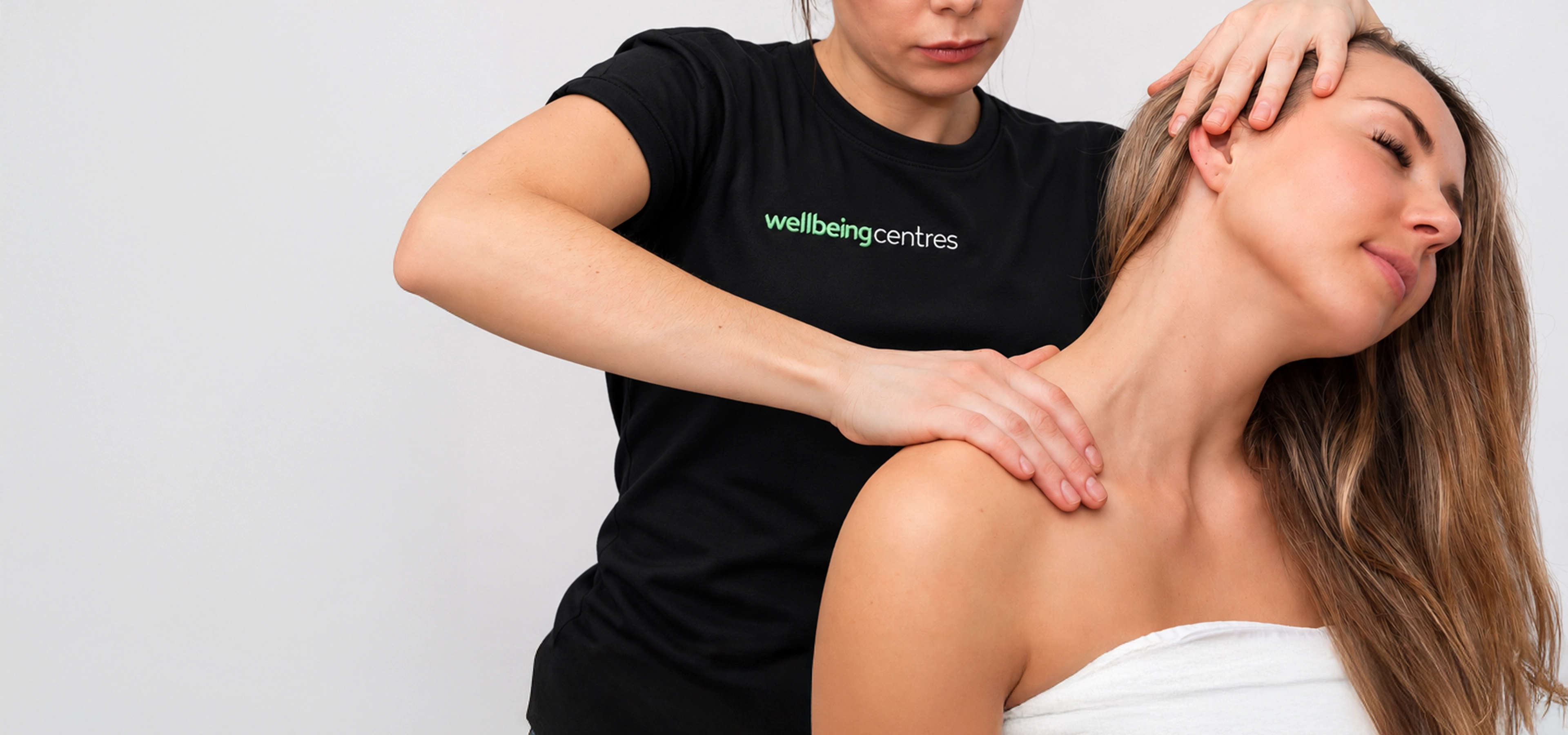
Wellbeing Centres therapist massaging the neck and shoulder of a relaxed patient wrapped in a white towel

Book a Consultation

Get in touch with our Crouch Hill clinic in North London to arrange personalised sports massage with an experienced therapist. Our treatments are tailored to help relieve muscle tension, ease soreness and improve mobility.

How Does Sports Massage Work?

Sports massage uses a combination of hands-on techniques to apply controlled pressure and movement to muscles and surrounding soft tissues. These may include deep tissue massage, kneading, compression and assisted stretching, depending on your individual needs.

By stimulating sensory nerves and working on areas of muscular tension, sports massage may help reduce pain perception, ease feelings of stiffness and temporarily improve range of movement. Your therapist will adjust the techniques and pressure to ensure treatment remains comfortable and appropriate.

Potential Benefits of Sports Massage

  • Relieves Muscle Tension

    Helps ease tightness and discomfort in overworked or sensitive muscles.

  • Reduces Muscle Soreness

    May help relieve post-exercise soreness and improve comfort during recovery.

  • Improves Flexibility & Mobility

    Can temporarily improve range of movement and reduce feelings of stiffness.

  • Supports Exercise Recovery

    May help you feel less sore and more comfortable between training sessions.

  • Promotes Relaxation

    Helps ease physical tension and encourages a sense of relaxation and wellbeing.

  • Sports massage can complement an active lifestyle or rehabilitation programme, but it does not replace appropriate treatment for injuries or underlying medical conditions.

What Happens
During a Sports
Massage Appointment?

At Wellbeing Centres, we aim to make your sports massage experience comfortable, professional and tailored to your needs. Your therapist will guide you through each stage of treatment, adjusting the techniques and pressure to suit your preferences.

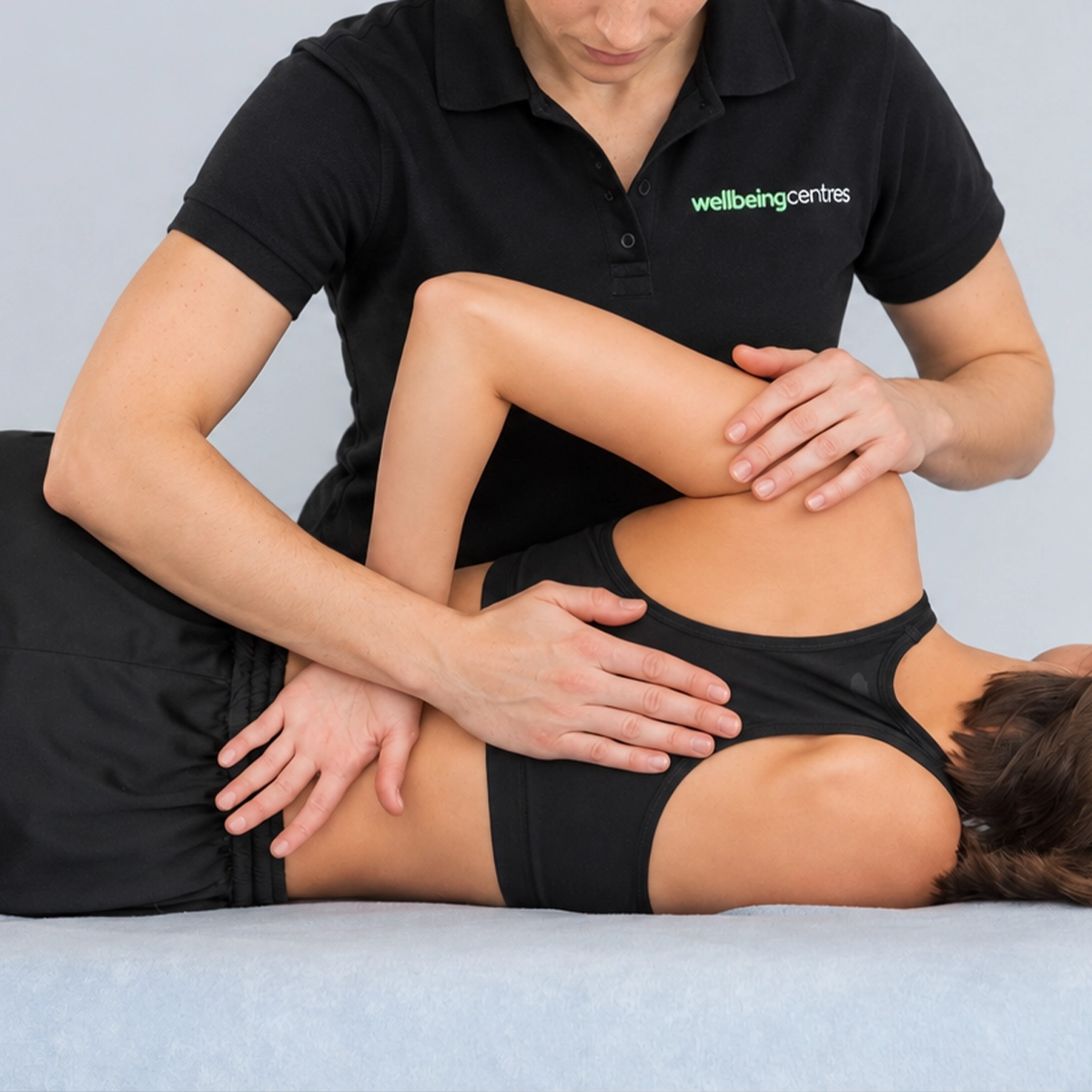
Wellbeing Centres therapist stretching the shoulder and upper back of a patient lying on her side on a treatment couch
  1. Initial Consultation

    Your therapist will discuss your symptoms, areas of discomfort, activity levels and treatment goals. They'll also review any relevant medical conditions or injuries to ensure sports massage is suitable for you.

  2. Identifying Areas of Tension

    Your therapist will assess the areas of muscular tightness or discomfort and identify which muscle groups require attention. Treatment may focus on your neck, shoulders, back, legs or other areas, depending on your needs.

  3. Sports Massage Treatment

    Using a combination of sports and deep tissue massage techniques, your therapist will apply targeted pressure to help relieve muscle tension and stiffness. The pressure will be adjusted throughout the session to ensure treatment remains comfortable and appropriate.

  4. Aftercare & Recovery Advice

    Following your massage, your therapist may provide advice on managing temporary soreness, maintaining mobility and returning to exercise. If your symptoms suggest an underlying injury, they may recommend further assessment.

Sports massage appointments at Wellbeing Centres last 60 minutes, allowing time for personalised treatment focused on your individual needs.

Is Sports Massage
Safe?

Sports massage is generally safe when performed by a suitably trained therapist following an appropriate assessment. Most people tolerate treatment well, although temporary muscle tenderness, soreness or mild bruising can occur, particularly after deeper massage.

Sports massage may need to be avoided, modified or postponed in certain circumstances, including:

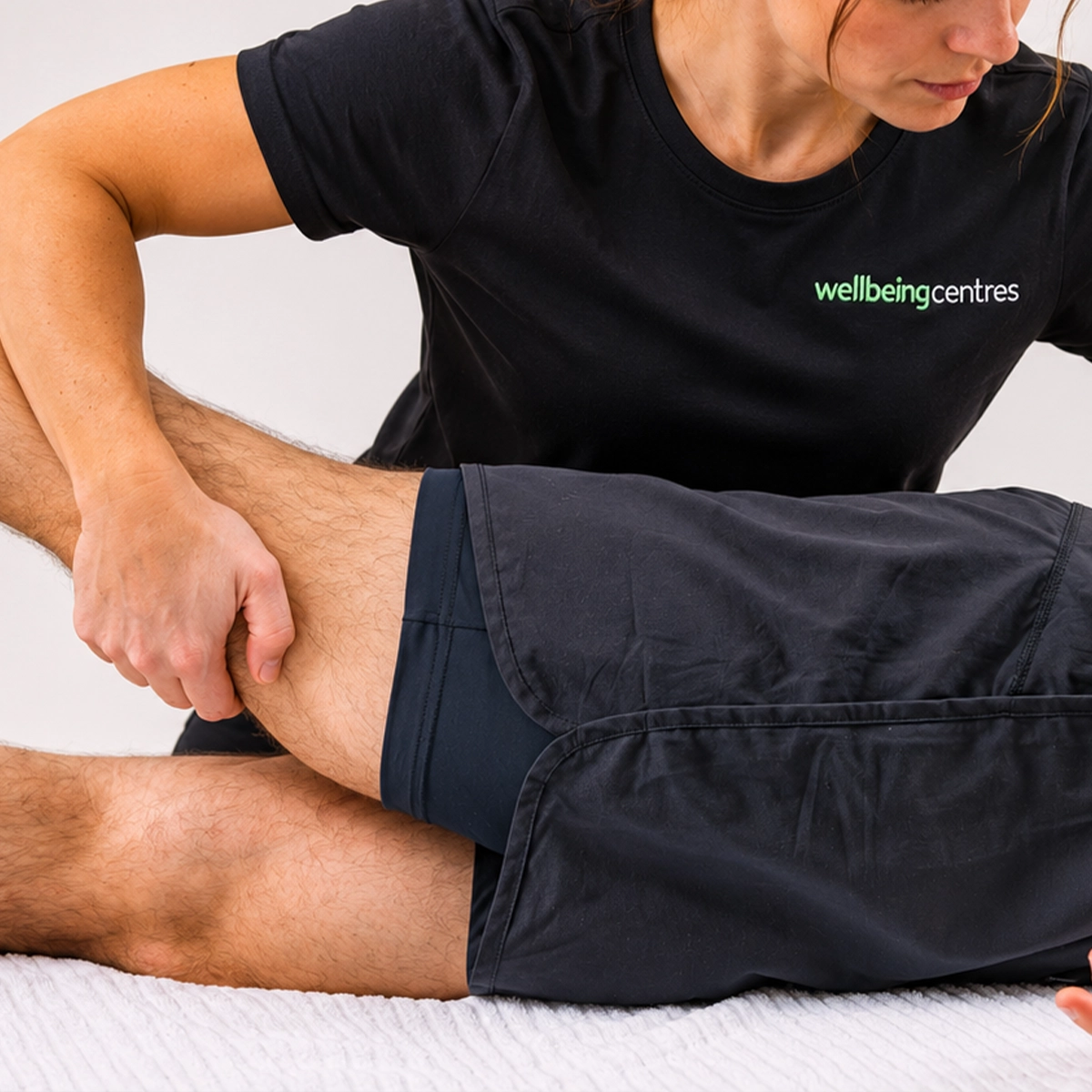
Wellbeing Centres therapist stretching the hamstring of a patient lying on his side on a treatment couch
  • Recent injuries or suspected fractures: Particularly where there is significant swelling, bruising or tissue damage.
  • Blood clots or suspected deep vein thrombosis (DVT): Massage should be avoided where a blood clot is suspected, and urgent medical assessment is required.
  • Skin infections or open wounds: Affected areas should not be massaged until it is safe to do so.
  • Bleeding disorders or blood-thinning medication: These may increase the risk of bruising or bleeding during treatment.
  • Certain medical conditions: Severe osteoporosis, significant circulatory problems or other health conditions may require additional precautions.

Your therapist will review your medical history and discuss any concerns before treatment. If you have persistent, unexplained or worsening symptoms, a physiotherapy or medical assessment may be recommended before proceeding with sports massage.

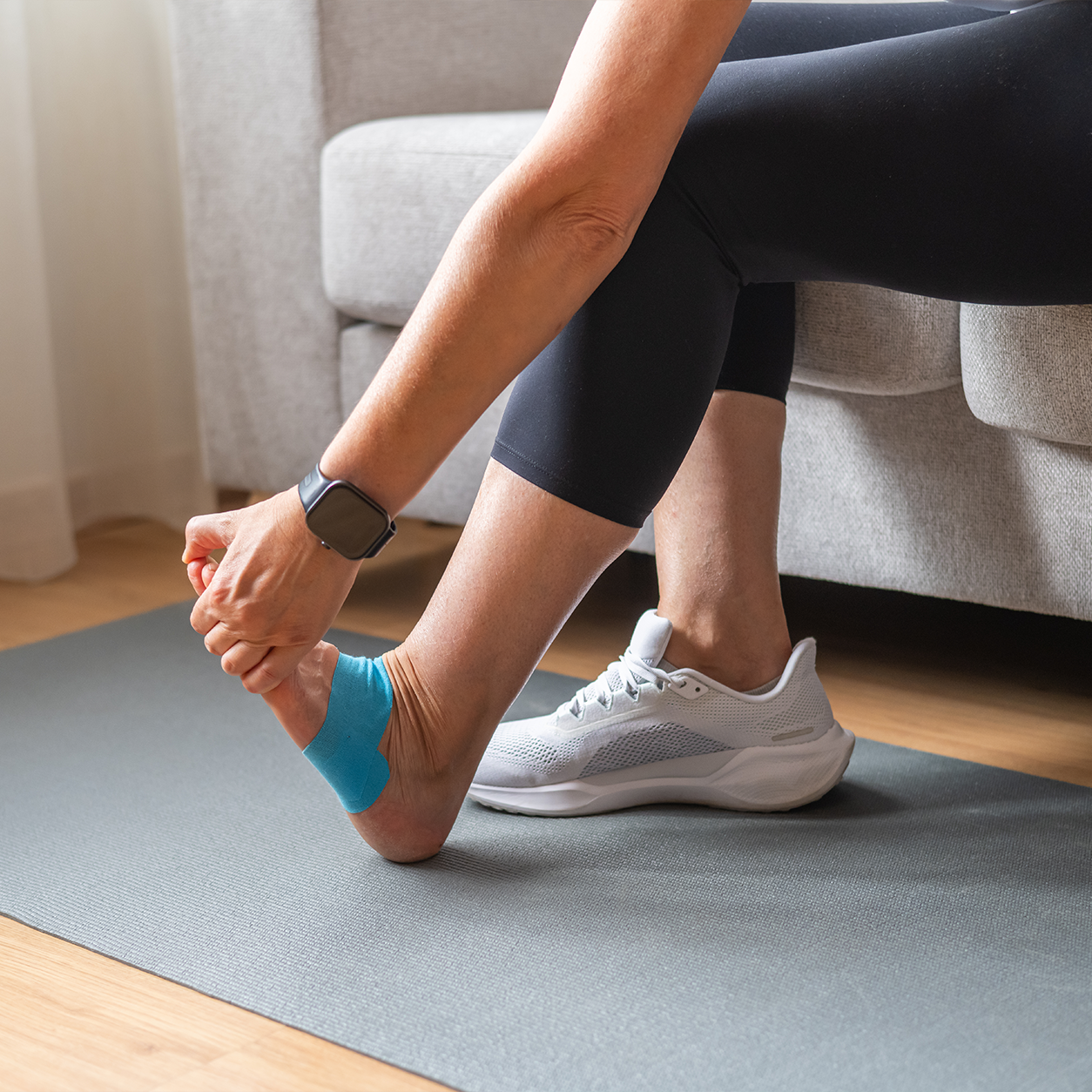
Person in sportswear stretching their foot, with kinesiology tape on the heel, sitting on a sofa

Sports Massage at Our Crouch Hill Clinic

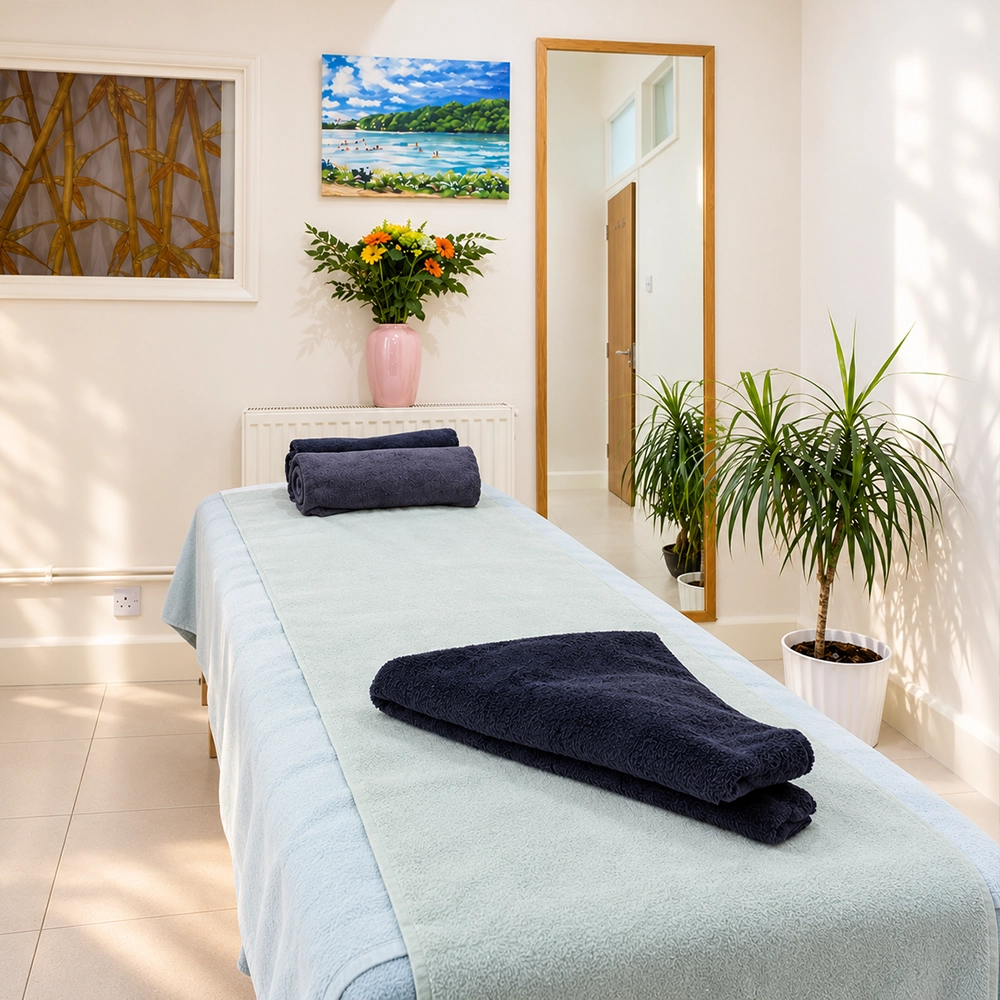
Bright treatment room at our Crouch Hill clinic, with a treatment couch and fresh towels

36 Crouch Hill, London N4 4AU

Get in touch with our Crouch Hill clinic in North London to arrange personalised sports massage with an experienced therapist. Our treatments are tailored to help relieve muscle tension, ease soreness and improve mobility.

Treatments

  • Physiotherapy & rehabilitation
  • Acupuncture & shockwave therapy
  • Sports massage
  • Women's health physiotherapy

Clinic Facilities

Face-to-face appointments and secure virtual consultations available by telephone or video.

FrequentlyAsked Questions

Wellbeing Centres physiotherapist treating a patient's shoulder and upper back on a treatment table
  • Sports massage is a targeted form of massage therapy that uses hands-on techniques to help relieve muscle tension, reduce soreness and improve mobility. Although commonly used by athletes, it can also benefit people experiencing everyday muscular aches, tightness and stiffness.

  • Sports massage focuses on muscular discomfort, physical activity and recovery, while deep tissue massage typically uses slower, firmer pressure to address deeper muscle tension. Both treatments use similar techniques, and your therapist may combine them depending on your individual needs.

  • No. Sports massage is suitable for people of different ages and activity levels. Whether you exercise regularly, work at a desk or experience muscle tension from everyday activities, treatment can be tailored to your needs.

  • Sports massage may involve firm pressure, particularly when working on tight or sensitive muscles. Some discomfort is possible, but treatment should not cause sharp or severe pain. Your therapist will adjust the pressure to ensure you remain comfortable.

  • Sports massage sessions at Wellbeing Centres last 60 minutes, allowing time to discuss your concerns and provide targeted treatment to the areas that need attention.

  • This depends on your symptoms, activity levels and treatment goals. Some people benefit from occasional sessions, while others prefer regular massage during periods of intense training or persistent muscle tension. Your therapist can advise on a suitable frequency.

  • Sports massage may provide short-term relief from muscular back and neck pain, particularly when associated with tension or stiffness. However, persistent or unexplained symptoms may require a physiotherapy or medical assessment to identify the underlying cause.

  • Sports massage may help reduce post-exercise muscle soreness and improve how you feel during recovery. However, evidence that it significantly accelerates muscle repair or improves athletic performance is limited. It can complement appropriate rest, nutrition and training management.

  • There is limited evidence that sports massage directly prevents injuries. However, it may help manage muscle soreness and discomfort as part of a wider approach to physical wellbeing. Strength training, appropriate conditioning and recovery remain important for injury prevention.

  • Most people can return to their usual activities after treatment. However, if your muscles feel tender or sore, it may be sensible to avoid strenuous exercise until the discomfort settles. Your therapist can provide personalised advice.

  • Temporary muscle soreness, tenderness or mild bruising can occasionally occur, particularly after deeper massage. These effects are generally short-lived. Your therapist will discuss any relevant precautions before treatment.

  • A 60-minute sports massage session costs £70 at our Crouch Hill clinic. We also offer discounted packages of three sessions for £195 (saving £15) and five sessions for £300 (saving £50).

  • No. You can book sports massage directly with Wellbeing Centres without a GP referral. Your therapist will discuss your symptoms and medical history to ensure treatment is appropriate.

  • Our dedicated sports massage service is available at our Crouch Hill clinic in North London. You can book an appointment online or contact our team for assistance.

Message Us